ARwall offers small, efficient virtual production setups, 20 to 30 feet in width, making sophisticated visual effects accessible to a broader range of budgets, according to Motionographer. These compact volumes allow independent filmmakers to create expansive digital environments and complex scenes without the logistical constraints or high costs of large-scale productions.
Virtual production promises faster turnaround and significant cost savings, yet it necessitates a substantial upfront investment in meticulous pre-production planning and detailed digital asset creation. This shifts traditional filmmaking's financial and time allocation.
Independent filmmakers who embrace the 'fix it in pre' paradigm and leverage accessible virtual production tools will produce visually ambitious projects more efficiently. Those clinging to traditional post-production fixes will struggle to compete in an evolving production landscape.
What is Virtual Production and Why Should Indies Care?
Virtual production (VP) integrates real-time rendering into live-action filmmaking, allowing filmmakers to see final pixel images on set. Game engines like Unreal Engine or Unity render virtual environments, generating photorealistic digital backgrounds that react dynamically to camera movement and lighting, as detailed by AVIXA. This provides an immersive experience for cast and crew.
VP offers a robust alternative for scenes difficult or expensive to capture on location or with green screens, especially when productions face limited time for company moves or extensive post-production, states Motionographer. This capability significantly mitigates risks associated with challenging environments or tight schedules by moving potential problems into a controlled pre-production phase. Beyond creative flexibility, VP delivers practical benefits like faster turnaround times and cost savings from fewer location shoots and reshoots, contributing to a smoother workflow, according to AVIXA.
The New Workflow: Mastering Pre-Production
Success in virtual production fundamentally alters the traditional filmmaking timeline, placing unprecedented demands on pre-production. Before filming, all assets—models, characters, and 3D environments—must be camera-ready, according to Motionographer. Virtual environments require extensive generation, dressing, and lighting during this phase. This shifts the creative burden from on-set problem-solving or post-production visual effects to advanced digital artistry and pre-visualization expertise. The front-loaded approach means inadequate pre-planning can lead to costly delays or compromises in visual quality. Mastering this intensive pre-production phase is critical for realizing VP's full benefits.
Avoiding the 'Fix It In Post' Trap
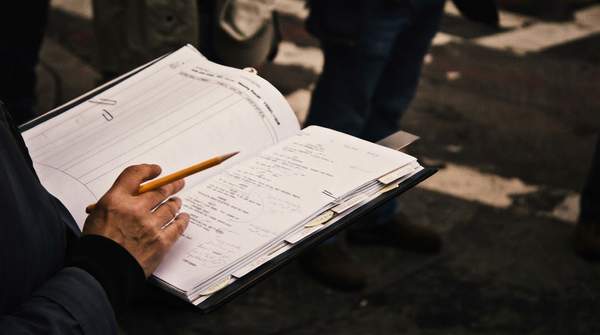
The traditional filmmaking adage of 'fix it in post' is supplanted by 'fix it in pre' within virtual production. This philosophical shift means major creative decisions and final quality imagery must occur during pre-production, states Motionographer. Filmmakers must commit to creative decisions and visual fidelity much earlier. Failure to address these elements early results in significant challenges, as changes become exponentially more difficult and expensive to implement. This re-engineering of the creative process ultimately determines both budget efficiency and final visual quality.
Practical Tips for Indie Filmmakers
Independent filmmakers can implement virtual production techniques by leveraging accessible solutions. Building small LED volumes within standard production spaces allows for controlled environments suitable for a range of scenes without massive studio infrastructure, according to Spotlight Media Fargo. Meticulous planning and investment in digital asset creation are key. Filmmakers should prioritize pre-visualization tools to block scenes and test virtual environments before stepping onto the LED stage. Collaborating with digital artists and technical directors proficient in game engines is also crucial. Even with limited resources, a focused pre-production approach and strategic partnerships make virtual production a viable option for independent projects.
Common Questions About Virtual Production
What equipment is needed for virtual production?
A basic virtual production setup typically includes LED panels for the virtual background, powerful computers for real-time rendering using game engines, and camera tracking systems. Specialized cameras and lenses are often employed to ensure proper integration between the foreground and virtual environment. Additional components might include lighting fixtures, grip equipment, and dedicated control surfaces.
How much does virtual production cost for independent films?
The cost of virtual production for independent films varies significantly, largely depending on the scope and complexity of virtual environments and assets. While initial hardware investments can be substantial, the overall budget shifts funds to pre-production for digital artists and asset creation, rather than extensive location fees or post-production VFX. This re-allocation can lead to overall cost savings compared to traditional methods for visually ambitious projects.
Is technical support available for virtual production setups?
Yes, the growing ecosystem around virtual production includes robust technical support options. ROE Visual offers technician support that can provide help within 48 hours globally, according to CopilotCo. This availability of expert assistance helps mitigate risks associated with adopting new and complex technologies, ensuring productions can address technical challenges promptly.
The Future is Virtual: A New Era for Independent Film
By 2026, independent filmmakers who have mastered the 'fix it in pre' approach will likely leverage technologies like ARwall's compact virtual production volumes to produce high-quality projects, establishing a new standard for visual ambition and production efficiency in independent cinema.