To create the sound of a simple character walking, a Foley artist might spend hours in a studio, meticulously recreating each footstep with specific shoes on various surfaces, often generating thousands of individual effects for a single film, according to Berklee. This intensive process, a core part of the roles and responsibilities in a film sound department for 2026 productions, reveals the hidden depth required for cinematic realism. The 'natural' soundscapes audiences take for granted are, in reality, an industrial-scale art form, where every rustle, creak, and whisper is a deliberate construction.
Audiences perceive film sound as naturally occurring, but it is painstakingly constructed by a diverse team of specialized artists. This fundamental disconnect between perception and reality defines filmmaking, where the auditory experience is an elaborate, yet essential, illusion designed to manipulate emotion and perception.
The future of film sound will likely see continued innovation in techniques and tools, yet the fundamental human artistry and meticulous craft of these specialized roles will remain indispensable for truly immersive storytelling, ensuring emotional resonance beyond visual spectacle.
The Unseen Architects of Sound
Supervising Sound Editors manage budgets and ensure work is completed correctly and on time, overseeing virtually every other member of the sound team on a production, according to The Pro Audio Files. This leadership role coordinates the complex, collaborative process of sound creation, ensuring a cohesive auditory vision from concept to final mix.
Sound Designers create believable sounds for fantastical creatures, vehicles, and environments in movies, often by combining recordings of various sources. Sound teams are thus responsible for the entire spectrum of auditory experience, from the hyper-realistic mundane to the utterly fantastical, demanding a unified approach to both perceived reality and pure imagination, crafting sonic identities that define worlds.
Dialog Editors clean up recorded dialogue, remove unwanted noise, and generate 'fill' to prevent drops in room tone. These distinct roles confirm film sound is not a monolithic task but a collaborative effort of highly specialized experts, ensuring every auditory detail serves the narrative and maintains crystal-clear communication.
The Art of Foley – Making the Mundane Magical
Foley artists perform and record common, everyday sounds by acting out on-screen actions with props to immerse the audience, as detailed by The Pro Audio Files. This hands-on method transforms mundane actions into believable cinematic moments, adding texture and weight that visuals alone cannot convey.
The foley process begins with a spotting session where the director, supervising sound editor, music editor, and foley editor watch footage and catalog needed foley effects, which typically number in the thousands, according to Berklee. This meticulous planning ensures comprehensive sound coverage for the entire film, leaving no auditory detail to chance.
Foley artists use a variety of props such as car doors, weapons, pinecones, kitchen gloves, and shoes to create sounds, as reported by Berklee. The diverse and often bizarre array of props, from pinecones to kitchen gloves, reveals that the most authentic-sounding moments in film are often the most ingeniously fabricated, challenging the very notion of 'real' sound in cinema by demonstrating its constructed nature.
Beyond the Set – Rebuilding Dialogue with ADR
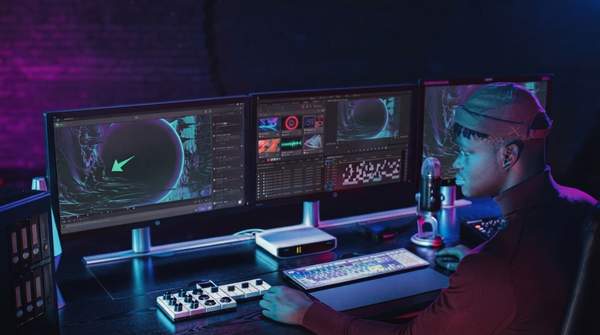
Automated Dialog Replacement, or ADR, involves re-recording actors' lines in a studio to replace unusable production dialogue, requiring finesse to match the original audio, according to The Pro Audio Files. This process ensures clarity even when original on-set recordings are compromised by environmental noise or technical issues.
Even the most fundamental human element, dialogue, is extensively engineered, with ADR and Dialog Editors ensuring every word is pristine and often re-recorded. This engineering challenges the authenticity audiences assume, as the illusion of 'natural' sound is a highly engineered construct, meticulously polished for impact.
ADR adds a critical layer of post-production refinement, confirming that dialogue is routinely cleaned and re-recorded rather than simply captured. The 'natural' soundscape is thoroughly engineered, extending even to the most intimate vocal performances.
Why Every Sound Matters
Beyond mere realism, each meticulously crafted sound effect serves a critical narrative function, guiding audience emotion and perception. A subtle change in a character's footsteps, for instance, can convey anxiety or confidence without a single line of dialogue, enriching character depth and plot progression.
The absence or improper execution of even a seemingly minor sound can shatter immersion, pulling the viewer out of the story. This makes the sound department's work not just additive, but foundational to the suspension of disbelief across films, television, and video games, according to Berklee, where every sonic element contributes to the overall psychological impact.
The collective efforts of the sound department ensure that every rustle, creak, and whisper contributes to the overall immersive experience. This attention to detail elevates the cinematic illusion, making it feel organic and authentic to the viewer, fostering a deeper connection to the on-screen world.
Collaboration and Craft
How do Foley artists collaborate on a film?
Foley artists often work as part of a team, collaborating with other Foley artists to cover the extensive sound needs of a production. They also work closely with sound recordists, who capture their performances in the studio, according to ScreenSkills. This collaborative approach ensures comprehensive and high-quality sound effects for the final mix, integrating specialized skills into a cohesive auditory tapestry that supports the director's vision.
As technology advances, the demand for specialized sound artistry will likely intensify, ensuring that the meticulously crafted, yet unseen, auditory landscapes remain central to immersive cinematic experiences, continually redefining the boundaries of sonic storytelling.