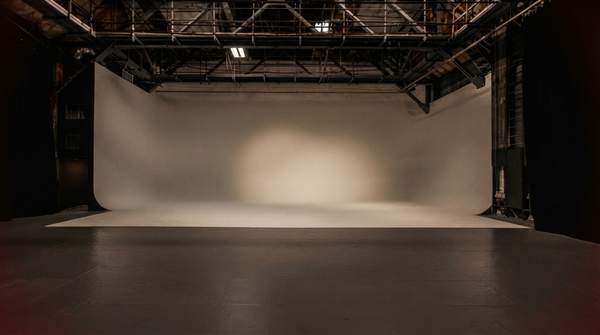
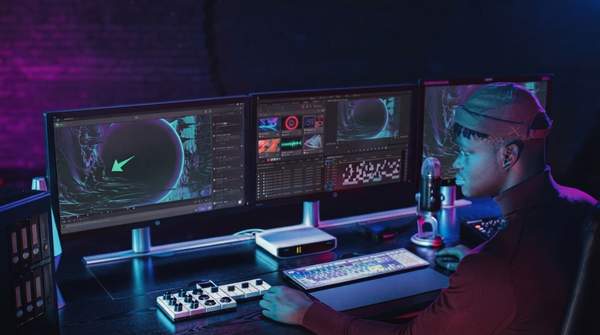
The subtle tilt of a lampshade, the faded wallpaper in a character's bedroom, or the sprawling, futuristic cityscape — every visual element on screen is meticulously conceived and managed by a single creative leader. This individual orchestrates the environments that define characters, set moods, and guide audience perception, often before a single camera rolls.
Production designers are central to a film's visual storytelling and logistical execution, but their profound impact often goes unrecognized by the wider audience. Viewers often attribute these visual cues solely to the director or cinematographer, overlooking the foundational work that shapes the cinematic world.
As the complexity of visual storytelling increases across film and television, the production designer's role as both a creative visionary and a logistical linchpin will become even more critical to a project's success.
The Unseen Architect of the Screen
Production designers meticulously consider the impression, character, and natural human interaction within a space, understanding how a room's layout can dictate and support actor blocking, according to British Cinematographer. They also possess a deep understanding of light, enabling them to construct sets that optimize visual appeal from the camera's perspective. This foresight allows them to pre-determine fundamental cinematic elements, subtly guiding narrative and audience perception long before filming begins.
What Does a Production Designer Do?
Production designers are the heads of a film or television show's Art Department, according to AFI. They develop the visual design concept from the script, generate breakdowns and budgeting for the art department, present designs to directors, find locations, and interface with various other department heads during pre-production and production. This leadership position demands a unique blend of artistic vision and practical management, making them central to translating a script into a tangible world.
From Script to Sketch: Crafting the Visual Narrative
Production designers begin by interpreting the script and collaborating with the director and other department heads to visualize the screenplay, states Screenskills. They create sketches detailing mood, atmosphere, lighting, composition, color, and texture, which are then developed by the art director. Location selection is fundamentally driven by the script, requiring the location to resonate with the script’s demands, according to British Cinematographer. The production designer's initial creative interpretation sets the entire visual tone, ensuring every element on screen serves the story's emotional and thematic core.
The Logistical Mastermind Behind the Aesthetics
Production designers draw up budgets, prioritize work schedules, and manage financial allocations, as detailed by Screenskills. They also oversee the art department, set decoration, construction, and props teams, according to British Cinematographer. This extensive oversight, spanning both financial management and team leadership, positions them as crucial operational linchpins. They are, in essence, the film industry's most overlooked 'co-directors,' crafting environments that pre-determine character interaction and camera movement long before a single shot is filmed. This blend of artistic vision and practical management makes them indispensable yet largely invisible leaders of a film's entire visual enterprise.
Why Their Vision Shapes Your Viewing Experience
Production designers exert a subtle yet profound influence, shaping everything from a scene's mood to character blocking, as highlighted by British Cinematographer. This deliberate visual language, often mistaken for mere background, directly guides audience perception and emotional response. A well-designed production seamlessly transports the viewer into the narrative, making the world feel authentic and characters' journeys more impactful. Their work ensures visual consistency and narrative depth, creating a cohesive world that enhances audience immersion and deepens narrative engagement.
Common Questions About Production Design
What are the main responsibilities of a production designer?
Production designers manage the visual aspects of a film, including set design, location scouting, and supervising the art department. They budget and schedule all visual elements, ensuring creative vision aligns with practical constraints.
How does a production designer contribute to a film's story?
Production designers contribute by creating environments that reflect character psychology, advance plot points, and establish emotional tone. Their designs can even dictate actor blocking and camera placement, subtly guiding the narrative and audience perception.
What is the difference between a production designer and an art director?
The production designer is the overall creative head of the art department, envisioning the entire visual world. The art director works under the production designer, translating their vision into practical designs and overseeing the construction and execution of sets.
The Indispensable Architect of Screen Worlds
Given their foundational role in visual storytelling and logistical execution, it is likely that by 2026, major film studios like Universal Pictures will continue to expand the scope of their production design departments, further cementing their indispensable contribution to cinematic success.