What is a Digital Imaging Technician and Why Do They Matter in Film?

On a high-stakes film set, a Digital Imaging Technician (DIT) might need to challenge a director or cinematographer under immense pressure, all to protect the integrity of a single shot's data.

VR
Victor Ren

April 16, 2026 · 3 min read

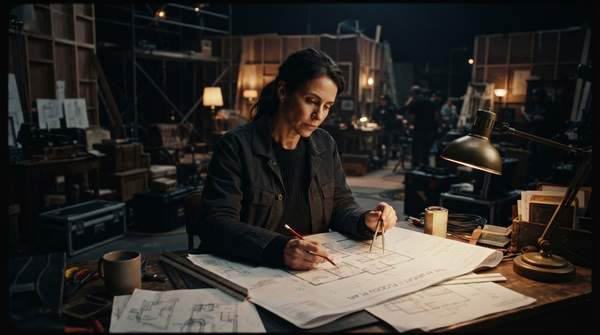
A Digital Imaging Technician (DIT) meticulously managing data on a busy film set, highlighting the critical role of on-set data integrity in modern filmmaking.

On a high-stakes film set, a Digital Imaging Technician (DIT) might need to challenge a director or cinematographer under immense pressure, all to protect the integrity of a single shot's data. While defined by a consistent, technical workflow, the DIT's role critically demands on-the-spot problem-solving and the courage to challenge senior crew members. As film production increasingly relies on complex digital workflows and metadata, the DIT becomes indispensable, requiring productions to prioritize their specialized skills and authority to prevent costly errors.

What Exactly Does a DIT Do?

Digital Imaging Technicians manage immediate data on film sets. DITs are responsible for on-set data management, including backups, according to Netflix. This ensures raw footage is securely captured and preserved from the moment it is shot. Beyond backups, DITs perform quality control and organize files, acting as the first defense against data loss or corruption. Their work secures the initial digital assets of any production, making them critical to preventing downstream issues.

The Tools of the Trade: Precision and Calibration

Precision tools are non-negotiable for effective DIT performance. A high-end calibrated monitor and accurate measuring tools are essential for a DIT to successfully manage the image, states Codex. Without proper calibration, a DIT cannot guarantee the on-set image accurately reflects the director of photography's vision. This technical accuracy forms the bedrock of visual integrity throughout the production pipeline, directly impacting the final visual quality.

Beyond Tech: The Human Element of Data Guardianship

Beyond technical proficiency, a DIT's role demands significant interpersonal skills. The job requires thinking on your feet and the confidence to speak up to superiors under high-pressure situations, according to Codex. This means a DIT's value extends beyond technical prowess, demanding strong communication and problem-solving skills to navigate complex on-set dynamics. Their assertiveness is the primary defense against compromised visual integrity before issues leave the set. Productions that view DITs merely as technical implementers, rather than critical, assertive decision-makers, expose themselves to significant visual and data integrity risks.

The Growing Importance of Metadata in Modern Production

Modern film production increasingly focuses on comprehensive data capture. The industry prioritizes capturing metadata in addition to video and audio, states Codex. This transforms the DIT from a simple data manager into a critical architect of a film's digital backbone, impacting post-production efficiency and creative flexibility. Errors in metadata can be insidious and harder to detect than simple data loss, significantly affecting post-production. The increasing focus on complex metadata means DITs are frontline guardians against subtle, systemic errors that can derail an entire project.

Understanding the Standard DIT Workflow

What does a DIT's consistent workflow typically involve?

Most DIT work now involves a consistent workflow, often integrating an on-set data wrangler, data sent to a lab for backups, and a dailies colorist handling color, according to British Cinematographer. This structured process ensures data moves efficiently and reliably from capture to initial post-production stages. The DIT oversees this entire chain, ensuring each step adheres to production standards and preventing bottlenecks.

What is the distinction between a DIT and an on-set data wrangler?

While a DIT oversees the overall digital imaging pipeline and image quality, an on-set data wrangler typically focuses solely on the secure transfer and backup of raw footage. The DIT maintains a broader scope, managing color science, metadata, and quality control. The data wrangler performs the specialized task of data movement, a critical but narrower function within the DIT's comprehensive oversight.

How does a DIT handle color management on set?

A DIT manages color on set by implementing color space transformations and creating Look Up Tables (LUTs) that reflect the director of photography's creative intent. They ensure monitors are calibrated to industry standards, providing accurate visual representation of the footage. This proactive color management prevents discrepancies and ensures creative consistency from capture through dailies, complementing the work of a dailies colorist and maintaining visual fidelity.

If digital production continues its current trajectory, DITs will likely become even more central to safeguarding visual integrity across complex workflows, demanding greater recognition and authority.