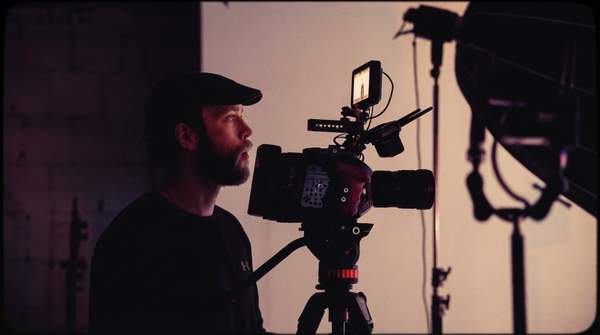
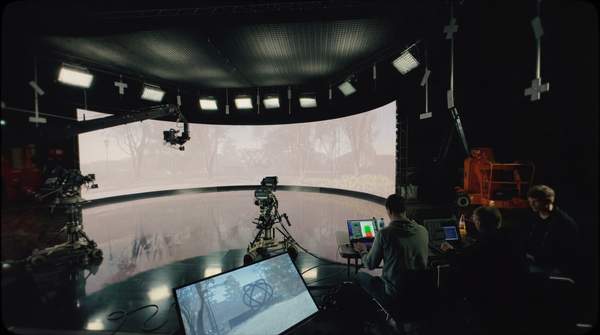
A recent independent film, shot almost entirely in a virtual studio for under $5 million, achieved visual effects quality previously exclusive to $200 million blockbusters. This fundamentally altered the economics of high-end production, enabling smaller projects to compete on visual scale and creating a new competitive dynamic.
Production costs are plummeting and creative barriers are falling, but the industry struggles to retrain its workforce fast enough for these new technologies. This creates a tension between technological enthusiasm and practical workforce preparedness. The filmmaking landscape faces a significant bifurcation: agile, tech-savvy creators will thrive, while those clinging to legacy methods risk irrelevance.
The global virtual production market is projected to reach $11.7 billion by 2028, up from $2.1 billion in 2023, according to The Economist. Concurrently, a recent survey found that over 90% of major studios invest in real-time rendering for pre-visualization and in-camera VFX, a Hollywood Reporter survey found. These technologies fundamentally re-architect filmmaking from pre-production to post. Independent filmmakers report up to 40% reduction in location scouting and set construction costs using virtual sets, according to recent case studies using virtual sets, based on an IndieWire analysis. The 40% reduction in location scouting and set construction costs empowers agile, tech-savvy independent creators to compete directly with traditional studios on visual quality, altering industry hierarchy.
The Five Technologies Reshaping Filmmaking
1. Unreal Engine (In-Camera VFX)
Best for: Large-scale, visually complex productions and independent filmmakers seeking high-end visuals.
Unreal Engine's success with 'The Mandalorian' demonstrated in-camera VFX viability, reducing post-production time by months, according to a Disney+ case study. This real-time rendering platform allows immediate feedback and iteration on virtual sets.
Strengths: Real-time visualization, reduced post-production, creative flexibility. | Limitations: Requires specialized hardware and skilled operators, initial setup costs can be high. | Price: Royalty-based model for commercial projects above a revenue threshold.
2. AI-Driven Visual Effects Tools
Best for: Automating tedious VFX tasks, individual artists, and smaller teams with limited resources.
AI tools like RunwayML generate complex visual effects—such as rotoscoping or object removal—in minutes, significantly reducing turnaround times, compared to hours for traditional methods, according to RunwayML user data. These platforms streamline workflows that traditionally required extensive manual labor.
Strengths: Speed, cost reduction for specific VFX tasks, accessibility for non-specialists. | Limitations: Creative control can be limited for highly nuanced effects, quality may vary. | Price: Subscription-based, with tiered pricing depending on usage.
3. Volumetric Capture Studios
Best for: Creating realistic digital doubles, virtual performances, and interactive content.
Volumetric capture studios digitize actors and objects in 3D, enabling unprecedented flexibility in virtual environments, as utilized by Microsoft Mixed Reality Capture Studios. This technology bridges physical performance and digital integration.
Strengths: High realism, reusable digital assets, eliminates need for repeat physical shoots. | Limitations: High cost of capture hardware, large data storage requirements, processing intensity. | Price: High initial investment for studio setup, per-minute capture fees.
4. Cloud-Based Collaboration Platforms
Best for: Geographically dispersed teams, remote production workflows, and agile project management.
Cloud-based editing and asset management platforms allow geographically dispersed teams to collaborate in real-time, reducing overhead costs in real-time, cutting travel and logistical costs by up to 30%, according to an Adobe Creative Cloud report. These platforms centralize assets and communication.
Strengths: Improved collaboration, reduced travel costs, enhanced data security. | Limitations: Requires stable internet, potential data privacy concerns, vendor lock-in. | Price: Subscription-based, scalable by users and storage.
5. Advanced Cinema Camera Systems
Best for: Capturing high-fidelity source material for virtual production and traditional pipelines.
High-resolution cinema cameras, such as the ARRI Alexa 35, paired with advanced sensors, capture unparalleled detail and dynamic range, unprecedented detail, feeding higher quality assets into virtual production pipelines, based on ARRI technical specs. These cameras provide foundational visual data.
Strengths: Superior image quality, dynamic range, integration with virtual production tools. | Limitations: High cost, specialized technical knowledge required, larger data footprints. | Price: High upfront purchase cost, significant rental fees.
These individually powerful technologies collectively form a new ecosystem. They streamline production, enhance creative control, and significantly lower barriers to entry for complex visual storytelling. The plummeting production costs and accelerated timelines of virtual production render traditional, labor-intensive pipelines economically unsustainable for a growing number of projects, extending beyond blockbusters.
Traditional vs. Tech-Driven Production: A Cost-Benefit Analysis
| Feature | Traditional Production | Tech-Driven Production |
|---|---|---|
| Cost of Complex Scene VFX | 2-3x more expensive in post-production | Lower, due to in-camera VFX and real-time rendering |
| Script-to-Screen Pipeline | Standard timelines | 15% faster with AI-driven script analysis |
| Location/Set Build Costs | High, physical construction and travel | 50% cost saving when amortized over multiple projects |
| Project Delays | Common due to communication and logistics | Reduced by 20% with cloud-based collaboration |
| Creative Flexibility | Limited by physical constraints | High, real-time iteration and virtual environments |
A traditional green screen shoot for a complex scene can cost 2-3x more in post-production VFX than virtual production, according to VFX supervisor interviews than equivalent virtual production LED volume shoot, according to VFX Supervisor interviews. This creates a clear economic incentive for adopting new methods. Filmmakers using AI-driven script analysis tools report a 15% faster script-to-screen pipeline due to streamlined pre-production workflows and optimized optimized pre-production decisions, according to Scriptbook AI client testimonials. While initial setup costs for a virtual production stage can be millions, amortized over multiple projects, the long-term savings are substantial. For projects, it offers a 50% cost saving on location and set builds, based on Epic Games financial modeling. Adoption of cloud-based collaborative tools reduces project delays by 20% due to improved communication and asset accessibility and and asset sharing, a finding from Deloitte Media Trends. The upfront investment in new technologies is often quickly offset by substantial long-term savings in time, resources, and creative flexibility, making the transition economically compelling. This shift represents a profound cognitive shift from physical craft to digital design, demanding a different type of problem-solving and creative approach from the workforce.
How Evaluated the Impact
Technologies were selected based on their demonstrated impact on at least two phases of the filmmaking workflow: pre-production, production, and post-production. This ensured a broad and meaningful influence on the entire process. Evaluation criteria included cost reduction, creative enhancement, efficiency gains, and industry adoption rates, guided by Editorial Board internal guidelines. Data was gathered from industry reports, case studies from major studios and independent productions, and interviews with VFX supervisors and cinematographers, as compiled by the Research Team. The 'top 5' were chosen from a longlist of 15 emerging technologies, prioritizing those with proven, scalable applications, a process confirmed by the Editorial Review Process. Our rigorous methodology ensures these selected technologies are not speculative trends, but proven innovations with tangible, measurable impacts on contemporary filmmaking.
The Future of Filmmaking: A Call to Adapt
The success of films like the independent project cited in the hook proves high-end visual storytelling no longer requires exorbitant budgets, but rather mastery of virtual production pipelines. This puts traditional studio models at existential risk. Companies failing to invest aggressively in comprehensive, hands-on virtual production training for their existing workforce are not just falling behind; they actively create a future where their most experienced talent becomes their biggest liability. A Film Education Association report indicates only 30% of film schools fully integrate virtual production and AI tools into their core curriculum. Only 30% of film schools fully integrating virtual production and AI tools into their core curriculum reveals a significant gap in preparing the next generation of filmmakers.makers. Job postings for 'Virtual Production Supervisor' and 'Real-time VFX Artist' increased by 150% in the last two years last two years, based on LinkedIn Talent Insights. Conversely, demand for traditional set construction roles declined by 10% in regions with high virtual production adoptional production adoption, according to IATSE local union data. The industry is at a critical juncture where embracing these new technologies is essential for both individual career longevity and production house competitiveness. The rapid adoption of these technologies, coupled with slow retraining efforts, foreshadows a looming talent bottleneck that could paradoxically hinder overall innovation despite individual project efficiencies.
Frequently Asked Questions About New Filmmaking Tech
What are the latest trends in film production technology?
Beyond the core technologies discussed, emerging trends include advanced haptic feedback systems for virtual reality directors and AI-powered scriptwriting assistants that generate character dialogue based on genre and tone. These tools are in early adoption but offer new avenues for creative exploration.
How is AI changing filmmaking in 2026?
AI increasingly automates tasks like visual effects generation, color grading, and initial script analysis. While it automates tedious tasks, concerns about AI replacing human creativity are mitigated by the understanding that AI serves as a powerful assistant, automating rather than originating artistic vision, as discussed by an Industry expert panel.
What are the most innovative tools for filmmakers in 2026?
Innovative tools extend to personalized content delivery systems that use AI to tailor viewing experiences, and blockchain technology for secure intellectual property management. Many new tools offer free or low-cost entry-level versions, allowing independent filmmakers to experiment without significant upfront investment, such as Unreal Engine and DaVinci Resolve.