The Star Wars fan film 'Star Wars: Entrenched' achieved cinematic quality in a residential garage with just 10 crew members. This feat was once exclusive to major studios. High-end film production historically demanded extensive physical sets and lengthy post-production, making it prohibitively expensive. Now, game engine technology makes advanced virtual production techniques efficient and accessible for independent creators, enabling sophisticated visual effects without Hollywood-level budgets.
This rapid adoption and proven cost-effectiveness suggest a new era of independent, high-quality filmmaking is likely, challenging traditional industry gatekeepers. Future film production workflows, particularly those leveraging Unreal Engine and Unity, will prioritize agile, software-driven solutions over traditional infrastructure.
Beyond the Green Screen: A New Era of Virtual Sets
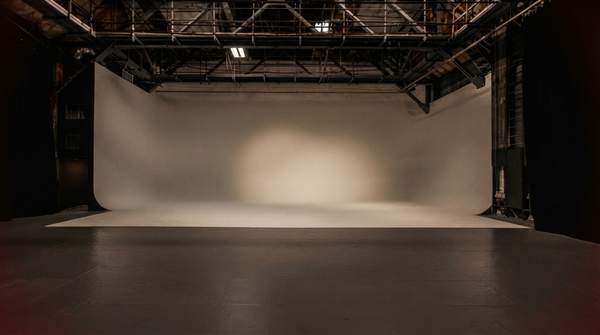
For 'Star Wars: Entrenched', Lightcraft Technology's Jetset software replaced a traditional volume stage, which can cost $50,000, according to Newsshooter. This allowed high-quality visual effects to be filmed in a residential garage. Virtual sets significantly reduce the need for large, dedicated physical spaces, effectively substituting costly physical infrastructure. This makes advanced techniques available beyond major studios. Achieving cinematic quality in a garage with a 10-person crew proves high-end film production is no longer bound by traditional studio infrastructure. Independent creators using tools like Unreal Engine and Jetset are redefining cinematic production's scale and location, rendering traditional studio infrastructure increasingly irrelevant for agile, cost-effective projects.
The Workflow Revolution: From Previz to Post in Hours
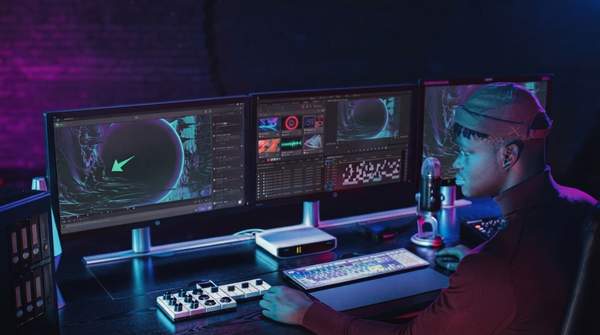
Jetset software integrates with Blender and Unreal Engine, enabling 'previz' for digital location scouting, according to Newsshooter. This allows filmmakers to visualize and refine virtual sets and camera movements before principal photography. During production, Jetset also manages camera tracking and virtual production, compressing post-production timelines from weeks to hours, Newsshooter reported. This real-time iteration on virtual sets and visual effects collapses the traditional linear film production pipeline.

Compressing post-production from weeks to hours shifts film production's competitive advantage from capital-intensive infrastructure to agile, software-driven workflows. Legacy studios face a significant disadvantage in speed and cost if they do not adapt to these new Unreal Engine and Unity film production workflows by 2026.
Navigating the New Landscape: Costs and Learning Curves
Unreal Engine's new pricing model costs $1,850 per seat, according to Unrealengine. While an investment, this is considerably lower than traditional high-end production infrastructure. Adopting these tools requires new skillsets; filmmakers must invest in training or hire personnel proficient in game engine environments. The learning curve can be steep, moving beyond traditional camera and lighting to include 3D modeling and virtual production pipelines.
Despite these challenges, the barrier to entry for professional-grade virtual production has dropped dramatically due to Unreal Engine's accessible cost. The barrier to entry for professional-grade virtual production has dropped dramatically due to Unreal Engine's accessible cost, suggesting the next generation of blockbuster visuals could emerge from independent filmmakers operating on minimal budgets. These new Unreal Engine and Unity film production workflows offer a compelling return on investment for adaptable teams.
Your Questions Answered: Getting Started with Virtual Production
What are the benefits of using Unity in film?
Unity offers robust tools for real-time virtual production, particularly for animated storytelling and interactive experiences, as detailed by Unity. Its user-friendly interface and extensive asset store accelerate content creation. Unity's capabilities extend to previz, virtual camera operation, and final pixel rendering, providing a versatile option for various film production scenarios.
How are game engines changing filmmaking?
Game engines fundamentally transform filmmaking by enabling real-time visualization and iteration of virtual sets and visual effects. This reduces the need for expensive physical locations and extensive post-production. Filmmakers can make creative decisions on set with immediate visual feedback, streamlining the entire production pipeline.
What is the future of real-time rendering in movies?
Real-time rendering will increasingly integrate into all stages of film production, from pre-visualization to final pixel output. This technology will continue to democratize high-end visual effects, making them accessible to more creators. Future developments will focus on enhancing photorealism, improving interactivity, and further streamlining complex virtual production workflows.
The Future of Filmmaking: Accessible, Agile, and Limitless
By Q4 2026, more independent productions will likely leverage accessible Unreal Engine and Unity film production workflows, delivering compelling visuals at a fraction of traditional costs. Traditional production houses that fail to adapt to these agile, software-driven methods risk losing ground to innovative, smaller studios.