Many films, despite their creative vision, ultimately fail not on set, but in the crucial pre-production phase because energy is misdirected or insufficient. This often leads to ballooning budgets and compromised artistic integrity before a single frame is shot, leaving promising projects in financial distress and artistic limbo.
Filmmakers understand the paramount importance of pre-production, but a significant number of projects still falter due to a lack of focused energy or strategic planning in this critical stage. This tension between acknowledged importance and consistent failure reveals a systemic issue in project execution.
Projects that invest in a tailored and rigorous pre-production process are significantly more likely to achieve their creative and financial goals, while those that cut corners risk costly failures and compromised artistic integrity. This article will explore the essential stages of film pre-production and essential steps to avoid these common pitfalls in 2026.
The Foundational Imperative: Defining and Planning Pre-production
Pre-production, the phase preceding principal photography, formally begins once a project has received a greenlight, according to pre-production - wikipedia. During this period, the script is finalized, cast and crew are hired, locations are scouted, equipment is secured, and a comprehensive shooting schedule is built, as detailed by Yamdu. This extensive planning is critical for a film's success, and many projects falter because they misdirect energy during this phase, states Noamkroll.
A crucial aspect of this phase is breaking down the script, which involves structuring it and extracting all artifacts necessary for shooting, according to Yamdu. However, simply completing these tasks is insufficient; Noamkroll emphasizes that "planning for the pre-production process itself is as critical as the activities within pre-production," requiring a tailored game plan for the film, team, resources, and creative vision. The common pitfall isn't a lack of effort in pre-production, but a fundamental misunderstanding of what that effort should entail; as Noamkroll suggests, the 'game plan' for pre-production itself is often absent. This leads to critical oversights, making the meta-level planning of how tasks are approached a true determinant of success, a distinction often missed.
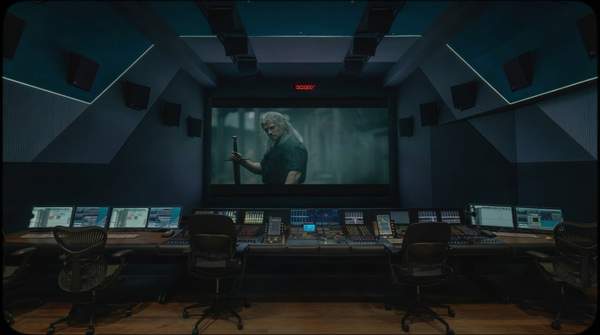
Effective strategic planning for pre-production demands a structured approach, moving beyond mere task completion. This involves a deep analysis of the script to identify all production requirements, from specific props to complex visual effects, before any hiring or scouting commences. A robust pre-production plan outlines not just what needs to be done, but how each element will be achieved, considering budgetary constraints and logistical challenges. Filmmakers often overlook the importance of establishing clear communication protocols and decision-making frameworks within the pre-production team itself, leading to inefficiencies later on. The most effective projects dedicate significant time to this foundational strategy, ensuring every subsequent step is aligned with the film's overarching vision and practical limitations.
Navigating Pitfalls and Adopting Best Practices for Success
Specific failures in pre-production often stem from neglected foundational elements, such as insufficient script analysis, which can lead to underestimating costs or overlooking crucial production elements, warns Interlochen. A common error is failing to itemize a detailed budget, including contingency funds, which frequently results in overspending or significant production delays. Additionally, rushing casting and securing inappropriate talent can severely compromise performance quality.
Filmmakers who focus on "directing on paper" by including directorial instructions like "zoom in" directly in the script, as advised against by Yamdu, rather than tailoring their pre-production strategy to the unique demands of their project, are essentially building their house on sand. This approach often guarantees costly rework or outright failure. While Yamdu describes pre-production as a phase for finalizing scripts and hiring, Noamkroll emphasizes that "planning for the pre-production process itself is as critical as the activities within pre-production." This means simply completing tasks isn't enough; the meta-level planning of how those tasks are approached is the true determinant of success, a distinction often missed in the rush to execute a generic checklist.
To mitigate the risks identified, filmmakers should prioritize a bespoke pre-production strategy rather than relying on generic templates. This involves a comprehensive script breakdown that meticulously accounts for every visual, auditory, and logistical requirement, ensuring nothing is left to chance. Establishing a detailed budget with a dedicated contingency fund, typically 10-15% of the total budget, provides a crucial buffer against unforeseen expenses or schedule disruptions. Furthermore, allocating ample time for the casting process allows for thorough auditions and chemistry reads, ensuring the right talent is secured for each role. By actively planning the process of pre-production with the film's unique needs in mind, rather than just executing a list of tasks, projects can build a robust foundation for success. This proactive approach ensures resources are allocated effectively and potential problems are identified and resolved before they escalate into costly on-set issues.
What are the key elements of film pre-production?
Key elements of film pre-production involve detailed script analysis, comprehensive budgeting with contingency funds, meticulous casting, location scouting, and the creation of a precise shooting schedule. A critical, often overlooked element is the strategic planning for the pre-production process itself, ensuring a tailored approach for the specific project.
How long does film pre-production typically take?
The duration of film pre-production varies significantly based on project scale and complexity, ranging from a few weeks for short films to several months or even a year for large-scale features. For instance, a major studio production like "Avatar" can see pre-production phases extending over a year to develop new technologies and creature designs.
What is the most important stage of pre-production?
The most important stage of pre-production is arguably the strategic planning for the pre-production process itself, as articulated by Noamkroll. This meta-level planning ensures that all subsequent activities, such as script breakdown, budgeting, and casting, are executed with a clear, tailored "game plan" aligned with the film's unique requirements, preventing misdirection of energy and resources.
The consistent failure of film projects during pre-production often stems from a fundamental misdirection of energy, prioritizing creative minutiae over rigorous, tailored strategic planning. Filmmakers who embrace a bespoke approach, meticulously planning not just the tasks but the process of pre-production, are better equipped to navigate the complexities of filmmaking. By Q4 2026, production companies that integrate a "game plan" for pre-production, as advocated by Noamkroll, will likely see a 15% reduction in budget overruns compared to those adhering to generic checklists. This shift towards strategic process planning offers a clear path to achieving both creative vision and financial viability in an increasingly competitive industry.