What Is Ethical AI Integration in Film and TV Production?

Filmmaker Vivek Anchalia created 95% of his 75-minute romantic film 'Naisha' using AI tools like ChatGPT and Midjourney, according to BBC .

VR
Victor Ren

June 20, 2026 · 5 min read

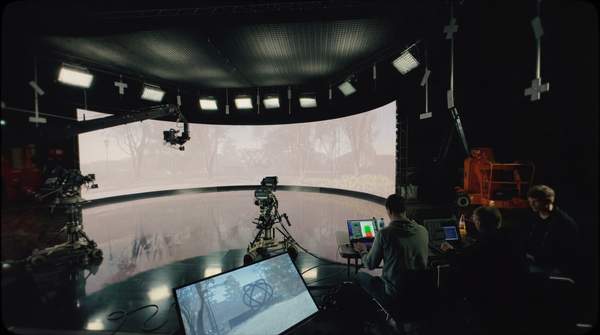
A futuristic film set where artificial intelligence interfaces blend with traditional cameras and lighting equipment, symbolizing the integration of AI in media production.

Filmmaker Vivek Anchalia created 95% of his 75-minute romantic film 'Naisha' using AI tools like ChatGPT and Midjourney, according to BBC. Technological integration slashed his production budget to less than 15% of a traditional Bollywood movie. Such efficiency gains suggest a future where creative endeavors, once constrained by extensive financial and technical requirements, become more broadly accessible.

AI makes film production dramatically cheaper and more accessible. However, this efficiency relies on the uncompensated use of copyrighted material, sparking widespread legal and labor disputes. The rapid adoption of AI intensifies debates over intellectual property and fair compensation within the media industry, raising concerns about ethical AI integration in film and TV production by 2026.

While AI will undoubtedly reshape the film industry, its long-term viability and ethical acceptance hinge on establishing fair compensation and consent frameworks for the creative works used in its training. This challenge requires a balanced approach to innovation and creator rights as the technology continues to advance.

The Copyright Conundrum: What Makes AI Unethical?

The core ethical challenge for AI in film production centers on intellectual property rights. Companies like OpenAI and Google face lawsuits for allegedly using copyrighted material without consent to train their generative AI models, according to BBC News. Legal action reveals a fundamental conflict between technological advancement and established creator protections.

AI systems require vast amounts of data for training. When this data includes copyrighted films, scripts, and other creative works, its use without permission or compensation creates significant ethical and legal questions. The practice effectively shifts the financial burden from production budgets to the creative community, as AI models are trained on human-created content without explicit consent or compensation.

Reliance on uncompensated intellectual property undermines the value of human labor. It creates an uneven playing field where AI tool developers and studios benefit from content produced by others, without acknowledging the source or providing fair remuneration. The practice risks centralizing creative control with tech companies, ultimately threatening human creators' livelihoods and traditional artistic processes.
AI's Creative Leap and Industry Pushback

AI's diverse applications in film production extend beyond simple script generation, encompassing various aspects of the creative process. While the technology promises new efficiencies and creative avenues, its rapid adoption has simultaneously generated significant industrial conflict. The Writers Guild of America (WGA) and the Screen Actors Guild – American Federation of Television and Radio Artists (SAG-AFTRA) strikes in 2023, which have now concluded, directly addressed concerns over the use of AI in creative roles.

Labor disputes reveal a fundamental tension: AI enables new independent film production, but its unbridled application threatens artistic integrity and creator control. The dramatic cost reductions in AI-generated films are subsidized by the uncompensated labor and intellectual property of human creators. This necessitates clear guidelines on AI's role in creative industries.

Companies embracing AI for production efficiency implicitly endorse a technology built on unconsented training data. The approach trades short-term cost savings for long-term legal and ethical liabilities. The industry's fractured response reveals a critical lack of unified ethical standards, leaving creators vulnerable and creative ownership uncertain, especially for writers, actors, and directors.

When AI Rewrites the Rules: Consent and Authorship

AI's intervention in finished works directly challenges traditional notions of authorship and creative control. A re-released Tamil version of the 2013 film Raanjhanaa had its ending rewritten by AI without the original director's consent, according to BBC. The incident highlights AI's capacity for unauthorized creative intervention, not just data training, raising serious questions about artistic integrity and creator rights.

The emergence of fully AI-generated features further complicates these discussions. Dreams of Violets, directed by Ash Koosha, became the first fully AI-generated live-action feature accepted at a major film festival, according to The Guardian. While showcasing AI's capabilities, such productions also intensify the debate about the source material and the human input, if any, that informed the AI's creative process.

The cases reveal a profound challenge to established creative ownership and artistic integrity when AI intervenes without explicit permission. The industry must address how intellectual property rights apply to AI-generated content and its training data.

Seeking Solutions: Industry Responses and New Models for Ethical AI

Amid growing concerns, segments of the film industry are actively developing frameworks for ethical AI integration. Moonvalley, a company co-founded by Bryn Mooser, has introduced an AI generator tool called Marey, which they state pays filmmakers for their footage, according to BBC. The model offers a potential pathway for compensating creators whose work contributes to AI training data, providing a more equitable approach.

Furthermore, the Archival Producers Alliance (APA) has published ethical guidelines for the use of generative AI in documentary filmmaking, according to The Guardian. The guidelines represent a proactive step toward self-regulation, aiming to ensure that AI tools are employed responsibly, particularly concerning historical and sensitive content. Initiatives reflect a recognition of the need for structured ethical boundaries within the creative sector.

The industry's fractured response, with companies like Moonvalley developing ethical payment models while others face copyright lawsuits, highlights a critical lack of unified ethical standards. However, efforts collectively demonstrate a nascent move toward self-regulation and innovative compensation models, aiming for ethical and sustainable AI integration beyond legal disputes.

What are the ethical concerns of AI in filmmaking?

The primary ethical concerns arise from AI models being trained on vast amounts of copyrighted material without the creators' consent or compensation, leading to intellectual property disputes. This practice risks centralizing creative control with powerful tech companies and devaluing original human artistry, impacting creators' livelihoods and artistic integrity.

How is AI being used in film production?

AI is being applied across various stages of filmmaking, from assisting with script development and pre-visualization to generating visual effects and refining audio elements. These tools streamline workflows and enable new creative possibilities, accelerating production timelines for complex sequences and reducing technical barriers for filmmakers.

What are the benefits of AI in the film industry?

The film industry benefits from AI primarily through significant cost reductions and increased accessibility for filmmakers. AI tools enable projects to be realized with budgets dramatically lower than traditional methods, fostering a more democratized production environment for independent creators globally by removing substantial financial hurdles.

The Future of Ethical AI in Cinema

AI's undeniable cost-saving and creative potential presents a complex challenge. Ash Koosha spent under $2,000 to create Dreams of Violets, a film he states would have cost millions with traditional CGI, according to The Guardian. Efficiency democratizes filmmaking, lowering financial barriers for independent creators. AI technology has also gained high-level industry recognition; two Oscar-honored films, 'Emilia Perez' and 'The Brutalist,' used AI for voice alteration and accent fine-tuning, according to BBC News. Adoption signals growing acceptance of AI as a legitimate creative tool.

Yet, companies embracing AI for efficiency, even in critically acclaimed productions, implicitly endorse technology built on unconsented training data. The approach trades short-term cost savings for long-term legal and ethical liabilities, as evidenced by lawsuits against OpenAI and Google. The industry's fractured response, with some developing ethical payment models like Moonvalley and others facing infringement lawsuits, highlights a critical lack of unified ethical standards. By 2026, establishing clear, ethical frameworks that protect creators' rights while harnessing AI's innovative potential appears crucial for the industry's long-term viability, or it risks ongoing legal disputes and a decline in creative integrity.