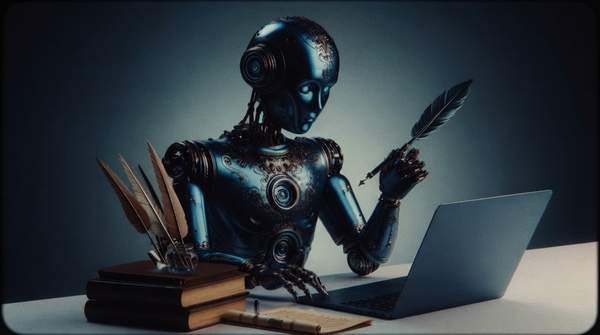
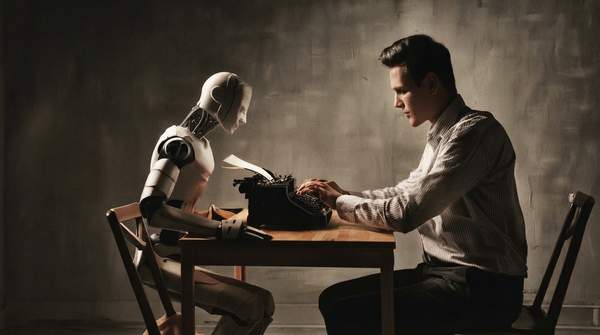
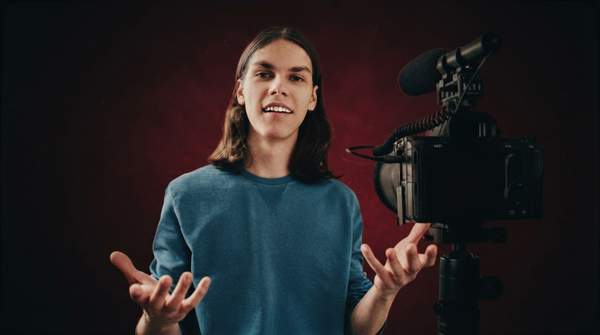
Ten independent filmmakers, previously constrained by budget and time, recently harnessed AI tools like Gemini and Veo during Google Flow Sessions. They produced short films once deemed impossible, dramatically expanding their creative scope in 2026. Yet, while these independents embrace such technologies, celebrated directors voice profound skepticism about AI's artistic merit. The growing divide sees independent creators leveraging AI to realize ambitious visions and challenge traditional industry gatekeepers, positioning AI as an increasingly vital resource.
A New Era for Independent Storytelling
The Google Flow Sessions confirm AI tools are dismantling traditional entry barriers for creative ambition. AI tools empower a new generation of independent filmmakers to craft complex narratives, once exclusive to high-budget productions, according to TechCrunch. The growing accessibility of AI is not just reducing costs; it's fundamentally reshaping creative possibility, enabling faster iteration and the realization of diverse, previously unproducible stories.
Maintaining Vision: How Directors Guide AI Tools
Filmmaker Brad Tangonan, a Google Flow Sessions participant, asserts artists retain full creative control with AI tools. The final output, he emphasizes, depends entirely on the artist's vision and direction, according to TechCrunch. AI functions as a collaborative instrument, not an autonomous creator, demanding deliberate input. The assertion that artists retain full creative control challenges the notion that AI-generated content lacks 'soul' or 'originality'. The definition of an 'auteur' appears to shift, from controlling every physical production aspect to masterfully directing AI tools to execute a unique creative vision.
The Artistic Debate: Skepticism from Industry Icons
Guillermo del Toro, James Cameron, and Werner Herzog have voiced skepticism about generative AI, citing a perceived lack of soul or originality in AI-generated content, according to TechCrunch. The high-profile resistance from industry icons fuels a philosophical debate: human creativity versus algorithmic generation. Their 'soul' argument directly contrasts with independent filmmakers asserting full creative control, using AI to manifest unique visions. The debate, then, appears less about AI's inherent creativity and more about its role as a powerful tool for human amplification. The schism within the industry suggests those embracing AI may unlock new artistic frontiers, while those rejecting it risk being outpaced by a more agile generation of storytellers.