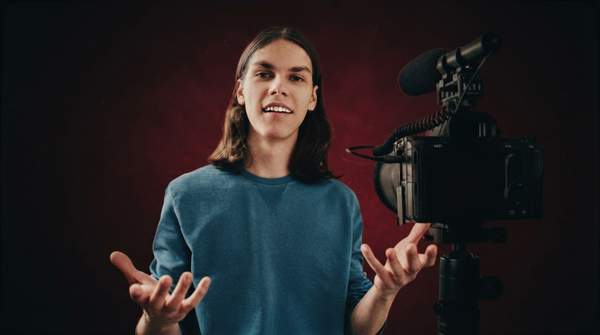
AI tools accelerate digital creators' content production

At events like Coachella, AI influencers now walk red carpets, some with hundreds of thousands of followers, without disclosing their synthetic nature.

TC
Tara Collins

April 15, 2026 · 3 min read

A digital creator using advanced AI tools to rapidly produce content, with holographic interfaces and glowing data streams illustrating accelerated creativity and innovation.

At events like Coachella, AI influencers now walk red carpets, some with hundreds of thousands of followers, without disclosing their synthetic nature. Digital personas like Ammarathegoat, with over 170,000 followers, post alongside real celebrities, blurring the line between human engagement and algorithmic fabrication. A significant shift in digital celebrity is signaled by this trend, making the origin of influence increasingly opaque, as reported by The Verge. Audiences often interact with these figures unaware they are engaging with code, not a person.

This creates a critical tension: AI empowers human creators with unprecedented efficiency and scale. Yet, it simultaneously gives rise to entirely synthetic influencers who operate without disclosure, challenging the very definition of a 'creator.' The creator economy is poised for a significant shift towards AI-augmented and AI-generated content. This demands new transparency standards and redefines human originality. The unchecked rise of undisclosed synthetic AI influencers erodes authenticity and trust, risking a human-centric domain turning into a landscape of algorithmic deception.

New Tools Supercharge Human Creators

Human creators now leverage AI tools to boost output and engagement, driving efficiency across content forms. These advancements enable immense scale and efficiency in content modification and fan interaction, automating repetitive tasks and altering workflows.

  • Splice launched three new generative AI tools: Variations, Craft, and Magic Fit. These modify and customize existing audio samples, allowing artists to rapidly iterate on sounds and adapt content faster, expanding creative possibilities, according to K-Jewel 99.3 FM.
  • Fanvue's 'creator AI' tools, used by creators like Cardi B, automate fan interactions and content sharing. This contributes to the platform's 17 million users and 325,000 creators, as noted by Forbes.

These tools directly enhance human creators' operational capacity, freeing them to focus on core creative output. The implication is a new era where human ingenuity, amplified by AI, can reach audiences and markets previously unattainable, fundamentally reshaping creative careers.
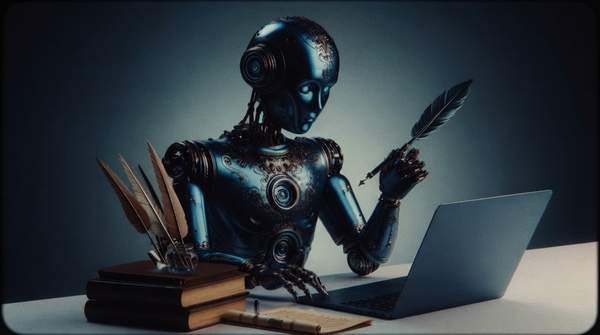
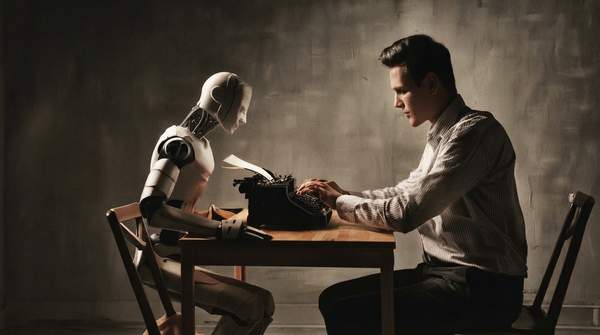
The AI Infrastructure Powering the Creator Economy

AI's rapid integration into the creator economy is backed by a growing infrastructure addressing operational and financial challenges. Cassandra, developed by Gabriele Franco and Cristian Nozzi, uses AI to automate advertising budgets, managing over $550 million in annual ad spend for more than 70 clients, according to Forbes. Such platforms optimize revenue streams for creators, regardless of their human or synthetic origin. This financial backbone makes digital content creation a more viable career, attracting diverse participants.

AI-driven solutions also mitigate financial bottlenecks. HAUZ, founded by Zora Feraji, offers a 'same-day' payment model, ensuring creators receive earnings promptly. CreatorHQ automates contracts and revenue tracking, reducing administrative burdens. These advancements streamline financial flows, making the creator economy more attractive and sustainable for all talents. The implication is that this robust infrastructure, while solving critical pain points, inadvertently supports the rise of synthetic entities alongside human creators. Its technological neutrality demands clear disclosure mechanisms; otherwise, the financial benefits risk fueling widespread algorithmic fabrications, eroding trust in digital content.

Frequently Asked Questions

Will AI replace human digital creators by 2026?

AI tools automate many tasks, but they augment human creators rather than replacing them entirely. Industry events like the NAB Show 2026 observe sustained growth in the creator economy, suggesting human ingenuity remains central, even with AI integration, according to Inside Radio. Creators who adapt by using AI for efficiency and scale will likely thrive, focusing on unique creative vision AI cannot yet replicate.

What ethical issues does AI introduce for digital content creation in 2026?

The primary ethical concern is the lack of transparent disclosure for synthetic AI-generated content and influencers, leading to consumer deception and a blurring of reality. This also raises questions about intellectual property rights for human works used in AI training and potential algorithmic bias. Establishing clear guidelines for transparency, attribution, and data usage is urgent to maintain public trust and fairness.

How can creators choose the best AI tools in 2026?

Creators should prioritize tools that seamlessly integrate with existing workflows and offer specific functionalities for their unique needs (audio, video, text). Essential factors include user-friendliness, scalability, creative control, compatibility with other software, technical support, and ethical guidelines regarding data usage. These considerations ensure long-term sustainability.

If major platforms fail to implement clear AI content labeling policies by the end of Q4 2026, the digital landscape will likely become a minefield of algorithmic fabrications, further eroding trust in the creator economy.