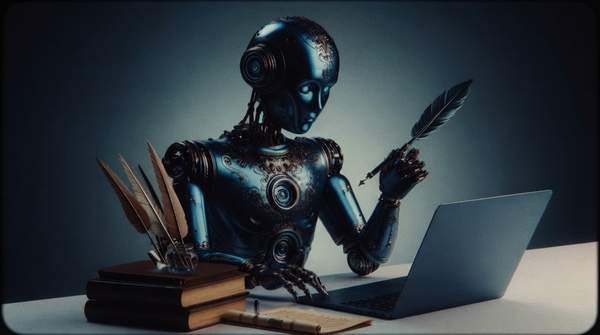
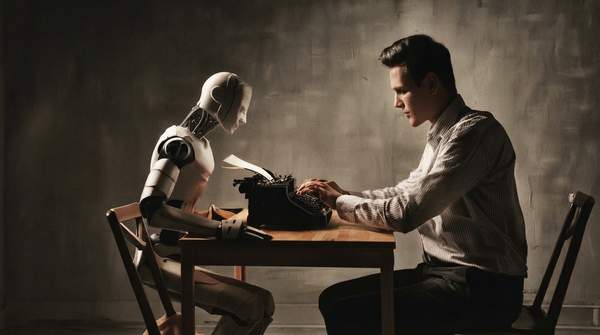
In a clear demarcation of art from algorithm, the Academy of Motion Picture Arts and Sciences has ruled that only performances "demonstrably performed by humans with their consent" will be eligible for an Oscar. This definitive stance for the awards clarifies the institution's commitment to human agency, ensuring emotional depth and nuanced portrayals remain tethered to human creators. The decision directly addresses the growing conversation around an Academy ban on AI in 2026 Oscars acting and writing categories.
AI-driven creative tools rapidly blur the lines of authorship, but the Academy has drawn a stark, unambiguous boundary to preserve human artistic integrity. This creates a tension between technological innovation and traditional artistic validation, forcing a re-evaluation of "creation" in the digital age. The industry now faces questions about how rapidly evolving AI technologies will integrate with established artistic practices.
Based on this stance, the film industry will likely see a clearer, albeit contentious, separation between human-authored and AI-assisted creative works. Traditional accolades will remain firmly rooted in human talent, aiming to safeguard the perceived value of human artistic labor. However, the long-term sustainability of this approach remains a point of considerable debate among filmmakers and technologists alike.
Establishing the Human Core of Cinematic Achievement
The Academy of Motion Picture Arts and Sciences will not allow acting and writing awards for work done by artificial intelligence, as reported by The Guardian and BBC. This immediate exclusion defines the boundaries of artistic authorship, distinguishing human-led storytelling from machine-generated narratives. The Academy asserts a core belief in the unique contributions of human artists, ensuring emotional resonance and interpretive depth remain central to Oscar recognition. This policy prioritizes the skill, intent, and lived experience human actors and writers bring to their roles, implicitly suggesting that true cinematic achievement stems from an inimitable human spirit.
Drawing the Line: Human Consent as the New Criterion
Performances must be "demonstrably performed by humans with their consent" to be eligible for acting nominations, as stated by The Guardian. This requirement extends the Academy’s AI ban beyond mere generation, directly addressing the ethical complexities of digital likeness and potential exploitation. It establishes an important ethical precedent for the film industry: the manipulation of human likeness without explicit permission is an unacceptable form of artistic authorship. The Academy is not merely banning AI content; it actively safeguards individual agency within the creative process, directly countering challenges posed by deepfake technology. This focus on "consent" implicitly designates acting and writing as the non-negotiable human core of filmmaking, revealing a nuanced defense of human artistry rather than a universal ban.
Clarification, Not Revolution: The Academy's Enduring Values
Academy Awards organizers issued new rules on Friday to clarify that acting and writing must be performed by humans, not artificial intelligence, according to Reuters. This pronouncement functions less as a radical new policy and more as a formal codification of existing values. For decades, the Oscars have celebrated human achievement, and this move reinforces that foundational principle. It articulates what was previously an unspoken assumption: the emotional core of film, through performance and script, originates from human experience. This clarification becomes necessary as AI tools grow more sophisticated. By specifically targeting acting and writing, the Academy delineates these as sacrosanct human domains, suggesting a calculated effort to maintain the perceived authenticity and emotional weight of Oscar-winning work.
The Broader Context of Artistic Validation
For nearly a century, the Academy of Motion Picture Arts and Sciences has consistently refined its eligibility criteria, adapting to changes from film length to sound technology. This AI ban continues that tradition, extending its definition of eligibility to explicitly safeguard human authorship in the age of AI. The Academy is grappling with how to maintain artistic integrity while creation tools transform. This decision to exclude AI-generated performances and scripts can be seen as a defensive maneuver, protecting traditional craft from perceived existential threats. The Academy, in essence, reasserts its authority as a gatekeeper of artistic legitimacy by drawing this clear technological boundary, reinforcing that the Oscars celebrate the profound human element of cinema.
Reinforcing Human Talent: New Recognition Rules
The Academy of Motion Picture Arts and Sciences has introduced a new policy allowing multiple nominations for a single actor in one category, as reported by The Guardian. This simultaneous policy change reveals a calculated, yet potentially flawed, attempt to reinforce the star system. It suggests a paradoxical move to both protect human roles from AI and concentrate recognition among a select few human talents. The Academy appears to be betting on the exceptionalism of a few individuals as the ultimate differentiator against AI's potential for mass content generation. However, this rigid definition of 'human-created' art risks alienating a new generation of filmmakers who will inevitably integrate AI into their creative processes. This stance could render the Oscars increasingly out of touch with evolving artistic practices and the future of cinema, inadvertently creating a chasm between the awards and the innovative edges of the industry.
By Q3, the industry will likely see a clearer divide between productions aiming for traditional accolades and those pioneering new, AI-integrated creative pipelines, forcing a re-evaluation of artistic merit beyond current human-centric definitions. This strategy, while establishing an ethical precedent against digital manipulation without consent, could prove unsustainable as studios like Pixar and Netflix continue to explore AI-assisted animation and script development.