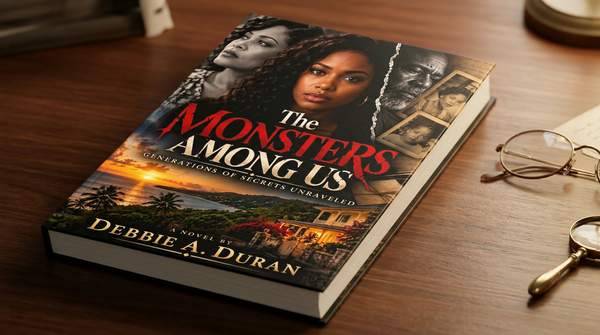
Debbie A. Duran is an author whose work delves into the shadowy corners of family history and the human psyche. Her novel, The Monsters Among Us: Generations Of Secrets Unraveled, offers a compelling exploration of themes centered on deeply buried family secrets and the dark legacies they leave behind. For readers who seek more than just a simple mystery, Duran's writing provides a character-driven journey into psychological suspense.
This guide breaks down the core elements of this captivating book, its unique narrative style, and why the author's approach to the genre is gaining attention among fans of thoughtful, atmospheric thrillers.
What Is The Monsters Among Us by Debbie A. Duran?
At its core, The Monsters Among Us: Generations Of Secrets Unraveled by Debbie A. Duran is a work of psychological suspense that prioritizes character depth and atmospheric tension over fast-paced action. The narrative focuses intently on the ripple effects of hidden family histories, examining how past transgressions and unspoken truths manifest in the present.
The story is not merely about solving a crime or uncovering a single secret. Instead, it’s about dissecting the complex web of relationships and motivations that define a family, often for generations. The book's primary concern is the internal and interpersonal turmoil that arises when a carefully constructed facade begins to crumble.
The scope of the novel is tightly focused on the emotional and psychological landscape of its characters. It is often distinguished from other subgenres of thriller fiction. For example, while a typical action thriller might rely on car chases and physical confrontations, The Monsters Among Us: Generations Of Secrets Unraveled builds suspense through quiet, unsettling conversations, forgotten letters, and the gradual dawning of a terrible realization.
It is frequently confused with traditional mystery or horror, but its true home is in suspense, where the dread comes from anticipation and the question of “what will happen next?” rather than a jump scare or a simple “whodunit” puzzle. Debbie A. Duran's work is less about the monster in the closet and more about the ones that sit at the dinner table.