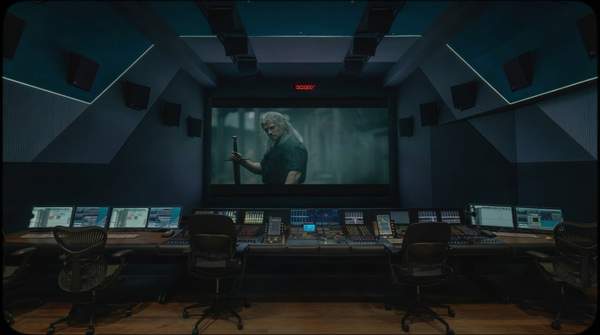
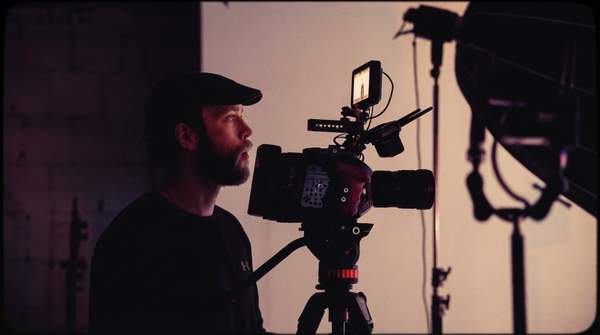
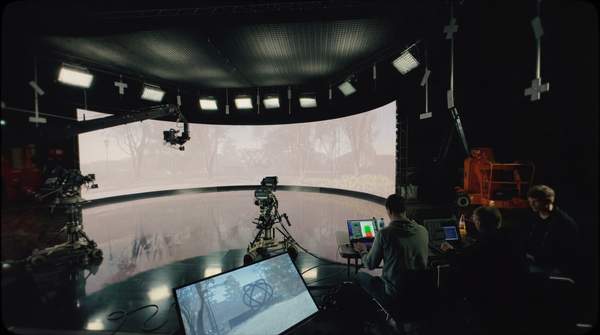
In a recent demonstration, a complex cinematic scene achieved almost pixel-perfect lighting and reflections, illuminated entirely by emissive signs without a single artificial light source Creative Bloq. This breakthrough streamlines complex lighting setups, offering filmmakers unprecedented creative control and enhancing virtual production.
Virtual production workflows are moving from fantasy to reality with unprecedented real-time rendering capabilities, but leading tools introduce significant per-seat costs for non-gaming companies.
Companies gain immense creative freedom and speed in virtual production, but this comes with a new financial barrier and a steep learning curve for those not already immersed in game engine ecosystems.
Emissive Lighting: Redefining Cinematic Production
An experimental reference mode for Lumen in Unreal Engine 6 aims to allow cinematics artists to use emissive sources instead of artificial lights, according to Creative Bloq. This advanced Lumen mode provides a reference-quality output described as 'somewhat per pixel', delivering a 'stunning pathtraced feel to deferred renders but orders of magnitude faster than using the full path tracer'. This capability fundamentally challenges traditional cinematic lighting principles, eliminating the need for numerous artificial light fixtures and simplifying on-set logistics. The implication is a shift towards precise visual fidelity with fewer resources, redefining virtual production workflows.
The Economic Landscape: Pricing and Access
Unreal Engine 5 (UE5) costs $1,850 per seat per year for non-gaming companies generating over $1 million USD in annual gross revenue, according to unrealengine. This specific pricing model positions larger studios with substantial revenue streams as primary beneficiaries, capable of absorbing these new operational costs. Smaller or emerging studios, however, face a significant financial barrier to adopting leading virtual production technologies, potentially slowing mainstream adoption despite the technological leap.