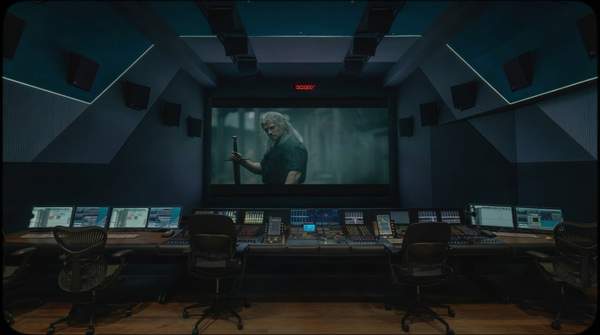
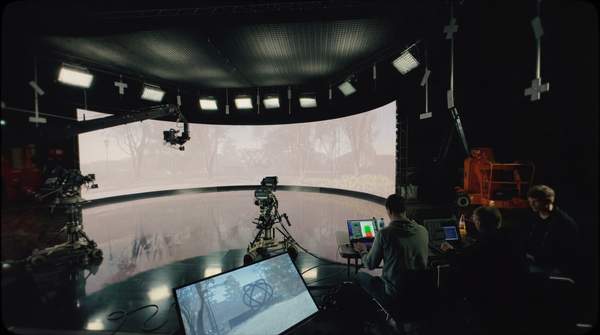
On the set of a recent blockbuster, a single 'Immersive Supervisor' managed the real-time integration of digital dragons with live actors, a task that previously required separate VFX and on-set supervision teams (Studio X Production Notes). This role orchestrates complex virtual elements in real-time, streamlining creative decisions during principal photography. The demand for professionals skilled in real-time AR/VR integration on film sets has surged by 150% in the last three years, according to a Hollywood Creative Staffing Agency Report.
Hollywood is rapidly adopting AR/VR for virtual production, but the specialized human expertise required to seamlessly integrate these complex technologies on set is still a nascent and challenging field to staff. This creates a bottleneck despite technological advancements designed to enhance efficiency.
Based on growing demand and proven efficiencies, the Immersive Supervisor will likely become a standard and indispensable role in major film productions, fundamentally reshaping traditional filmmaking workflows and skill requirements. This shift demands new talent pipelines for advanced filmmaking.
What Does an Immersive Supervisor Do?
An Immersive Supervisor oversees the seamless blend of virtual assets, like CGI characters and digital sets, with physical elements such as actors and practical props during live-action shooting (VFX Supervisor Interview). This ensures digital and physical components co-exist on set, providing immediate visual feedback. Key responsibilities include managing virtual camera systems, real-time rendering engines, and on-set motion capture data, according to the Virtual Production Handbook. This role bridges the director's vision, the physical production crew, and the virtual production team, as noted by a Director's Guild of America Panel. The Immersive Supervisor is the crucial nexus connecting the digital and physical worlds of a film set, ensuring creative intent translates into real-time visual fidelity.
The Hybrid Skillset for Immersive Production
The Immersive Supervisor role requires a blend of traditional filmmaking knowledge, advanced technical proficiency in game engines, and strong communication skills (Production Weekly). This combination allows for complex problem-solving directly on set. One major challenge involves maintaining creative flexibility while adhering to the technical constraints of real-time rendering, according to a VFX Artist Survey. Professionals often utilize tools like Unreal Engine or Unity to visualize digital elements on set through AR headsets or monitors, states an Epic Games Case Study. Training programs for this specialized role are still nascent, with most professionals learning on the job or through niche workshops (Film School Curriculum Review). The role demands a blend of artistic sensibility and technical mastery, making it challenging to staff and requiring new approaches to professional development.