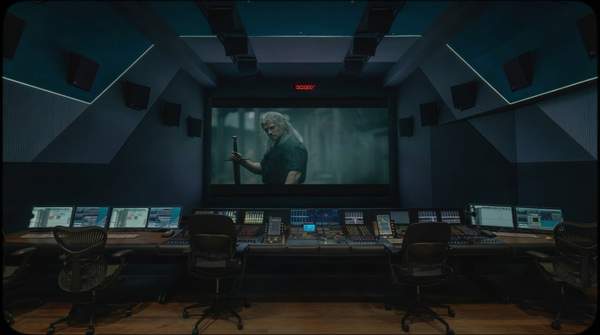
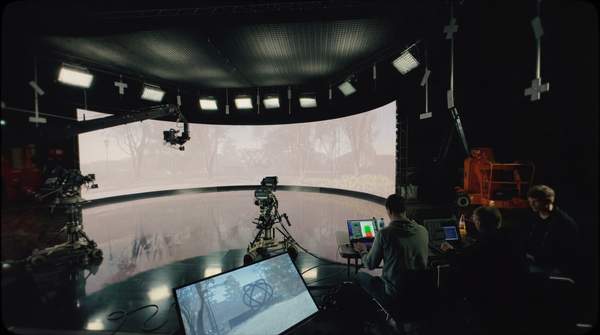
Weeks before a single frame is shot, a production designer is already sketching moods, managing budgets, and assembling a team to build an entire cinematic world from scratch. This early influence begins 7 to 10 weeks before filming, shaping the aesthetic blueprint long before cameras roll. Production designers are central to a film's visual identity and success, but their profound influence often remains invisible to the average viewer. Their meticulously crafted environments often blend seamlessly into the narrative, making their contributions appear inherent rather than deliberate. Recognizing this comprehensive role reveals the true complexity and artistry behind cinematic world-building, suggesting their importance will only grow as visual storytelling becomes more sophisticated.
The Unseen Architect: What a Production Designer Does
Production designers begin with deep script analysis, collaborating with directors to visualize the screenplay's world, according to Screenskills. This early visualization sets mood, enhances characters, and immerses the audience, states Looptalent Co Uk. They translate abstract narrative themes into tangible visual components, becoming the primary creative force for a film's cohesive visual identity.
From Script to Screen: The Production Designer's Process
Involvement starts 7 to 10 weeks before shooting, often alongside location scouting, reports Lafilm. During this phase, designers draw detailed sketches conveying mood, atmosphere, lighting, and texture. These concepts are then developed by the art director, according to Screenskills. This meticulous work crafts the visual blueprint, guiding the entire art department and ensuring a consistent aesthetic.
Navigating the Constraints: Budget, Schedule, and Creative Vision
Production designers manage significant financial and managerial responsibilities. They develop budgets, prioritize schedules, and oversee art department finances, as detailed by Screenskills. This operational leadership is critical for project execution. Balancing artistic ambition with strict financial and time constraints demands shrewd management and creative problem-solving, highlighting their essential business acumen alongside creative vision.