To ensure an actor's coffee cup doesn't magically change color between takes, or that the camera's lens height is precisely repeatable, a script supervisor meticulously tracks every detail on set. This essential role in film production prevents glaring inconsistencies that could disrupt audience immersion. They are the silent guardians of visual continuity, documenting everything from prop placement to an actor's specific hand movements across multiple shots.
While script supervisors are the primary safeguard against continuity errors and a vital link between production phases, their detailed, preventative work often goes unnoticed by audiences and sometimes even by other crew members. This disconnect leads to an underappreciation of their critical contributions to a film's overall coherence.
Based on the intricate and preventative nature of their work, productions that invest in skilled script supervisors are likely to save significant time and money in post-production, ultimately delivering a more polished and coherent final film.
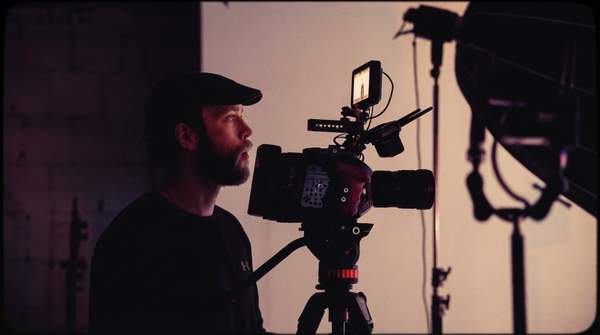
Camera height, measured precisely to the center of the lens, is one important detail for recreating shots accurately, according to pixelvalleystudio. This granular level of documentation goes beyond simple visual checks. It provides a forensic record necessary for seamless editing and reshoots. Such meticulous tracking ensures visual consistency, a task often invisible but critical to a film's believability.
The Unseen Architects of Cinematic Cohesion
Script supervisors function as the institutional memory of a production, ensuring coherence across all phases of filmmaking. They act as the director's backup, ensuring that what the director intends is what is being shot, according to Casting Networks. This foundational duty positions the script supervisor as an indispensable figure, translating the director's vision into a coherent, producible, and editable reality.
Beyond mere continuity checking, script supervisors interpret and enforce the director's vision. They serve as a proactive bridge between directorial intent, on-set execution, and post-production realization. This comprehensive role makes them central to both the creative and operational success of a film, preventing costly deviations from the original artistic plan.