Emerging Filmmaking Technologies for Independent Production in 2026

A feature-length movie, 'Dreams of Violets', created using AI tools for $2,000 in three months, will premiere at the Tribeca Film Festival.

VR
Victor Ren

June 18, 2026 · 3 min read

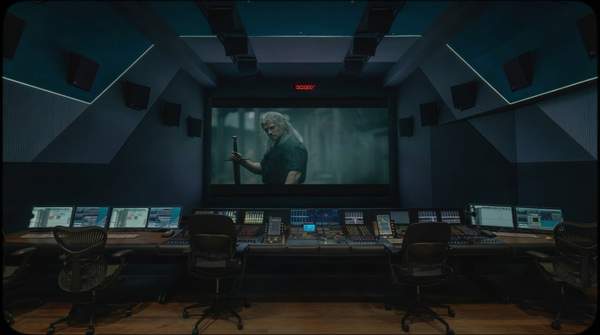
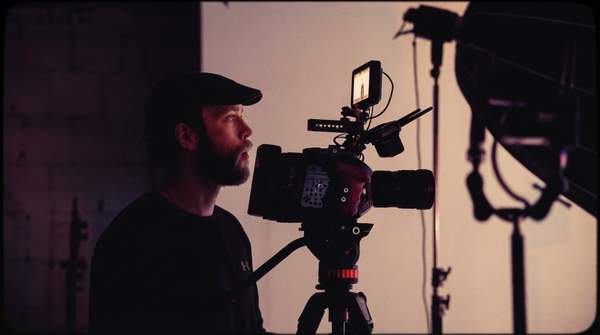
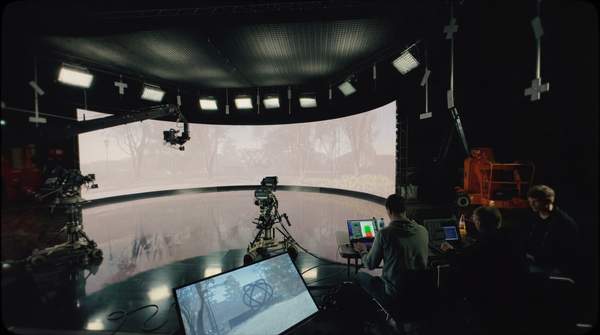
Filmmaker using advanced AI interfaces on a futuristic film set, symbolizing the new era of independent production.

A feature-length movie, 'Dreams of Violets', created using AI tools for $2,000 in three months, will premiere at the Tribeca Film Festival. Filmmaker Ash Koosha utilized AI tools like Kling AI, Claude, and Gemini, stating the technology allowed him to perform the work of eight to 10 people, significantly reducing traditional crew requirements, according to Page Six.

Historically, festival-ready films required extensive budgets and large crews. Now, new technologies enable individuals to achieve comparable results with minimal resources. New technologies enable individuals to achieve comparable results with minimal resources, challenging established industry norms for production scale and cost and collapsing the entry barrier for professional-grade independent filmmaking.

Tribeca co-founder Jane Rosenthal defended the film's inclusion, calling 'Dreams of Violets' a powerful example of AI as a vehicle for human storytelling, as reported by Page Six. Jane Rosenthal's defense of 'Dreams of Violets' validates AI as a legitimate creative tool, altering traditional gatekeeping standards and forcing the industry to redefine production workflows.

GoPro's Professional Pivot: The Mission One Series

GoPro's Mission One series marks a strategic shift from action cameras to professional-grade content creation. This new line targets the independent and prosumer filmmaking market by offering advanced features at accessible price points, making professional tools broadly available to independent filmmakers, as detailed by Geeky Gadgets and redsharknews. The Mission One series democratizes access to high-end production capabilities, previously limited by cost.

ModelPriceKey FeaturesAvailabilityBest For
GoPro Mission 1 Pro$6998K video, 32-bit float audio, M4/3 lenses, open gate recordingShips May 28Independent filmmakers requiring high-resolution video and advanced audio.
GoPro Mission 1$5998K video, 32-bit float audio, M4/3 lenses, open gate recordingShips May 28Budget-conscious independent creators seeking professional video and audio quality.
GoPro ILS$699Integrated Lens System (modularity for various production needs)ConfirmedFilmmakers enhancing Mission One cameras with specialized input or lens systems.
GoPro Mission 1 Pro ILSNot confirmedAdvanced integrated system (expected)Q3 2026Future-oriented professionals planning for advanced integrated camera systems.

The Micro Four Thirds lens system, integrated into the Mission One series, provides interchangeable lens options, a feature typically found in larger, more expensive camera systems. The Micro Four Thirds lens system supports professional optical workflows and offers extensive lens versatility for diverse shooting scenarios.

The Future of Independent Film: Accessible and Disruptive

The convergence of powerful AI tools and affordable, professional-grade camera hardware is fundamentally altering independent filmmaking. Filmmakers like Ash Koosha demonstrate that AI enables highly efficient, individual creators to replace large crews, as Page Six reports. The ability of filmmakers like Ash Koosha to use AI to replace large crews shifts the economics of content creation.

Professional-grade camera features, such as 8K video and 32-bit float audio, are now available in sub-$700 devices like the GoPro Mission One series. The availability of professional-grade camera features, such as 8K video and 32-bit float audio, in sub-$700 devices like the GoPro Mission One series diminishes the technical quality gap between independent creators and major studios, redirecting the industry's focus from production resources to pure storytelling and creative vision, as highlighted by Geeky Gadgets and redsharknews. The Tribeca Film Festival's acceptance of 'Dreams of Violets' further validates this trend: traditional barriers to high-quality filmmaking are collapsing.

The convergence of powerful AI tools and affordable, professional-grade camera hardware forces established studios to rethink production pipelines and talent acquisition. By Q3 2026, the continued rollout of advanced prosumer technologies and widespread AI adoption will likely solidify the 'solo auteur' model as a viable path for achieving festival-level cinematic quality.

Your Questions Answered About New Filmmaking Tech

What affordable filmmaking technologies beyond cameras and general AI are emerging for indie filmmakers in 2026?

Beyond advanced cameras and AI content generation, independent filmmakers can utilize specialized AI-powered sound design software, such as AIVA for original scores, or tools like RunwayML for advanced visual effects. Affordable LED lighting kits with app control and portable, high-fidelity field recorders from brands like Zoom and Tascam also deliver professional results without large budgets.

How is AI transforming traditional film crew roles for independent productions?

AI tools consolidate numerous traditional crew responsibilities into single-operator workflows. This includes AI handling tasks like script supervision for continuity, generating mood boards and storyboards, automating basic editing cuts, and assisting with color grading. This reduces the need for dedicated roles in pre-production, on-set logistics, and initial post-production stages.

What are the primary challenges for independent filmmakers adopting AI and new prosumer camera technologies?

Adoption challenges include the steep learning curve for mastering complex AI software and integrating it into existing workflows. Compatibility issues between different AI tools and camera systems can also arise. Ethical considerations regarding AI-generated content, such as intellectual property rights and potential job displacement, require careful navigation by creators.