To prepare for his neuroscientist role in 'Silent Friend', Tony Leung spent six months immersed in research, reading books and visiting laboratories. This intense dedication, reported by Variety, reveals a profound commitment to his craft, one he believes is only truly rewarded on the big screen. Yet, audiences increasingly consume films on small screens at home. Leung insists the full artistic impact of his work and films by Wong Kar-wai is lost outside the cinema. This tension between widespread accessibility and artistic intent may prompt cinephiles and artists to increasingly advocate for theatrical experiences, potentially sparking a resurgence in appreciation for cinema exhibition's unique value for art-house productions.
The Demand for the Big Screen
Leung's restrained performance style, he states, demands the full cinematic experience for appreciation (Variety). He extends this conviction to Wong Kar-wai's films, insisting they too belong in cinemas (IMDb). This unequivocal stance reveals a core belief: the subtle artistry he and collaborators achieve is compromised outside the immersive cinema environment. It suggests a growing divide between artistic intent and modern viewing habits, potentially forcing a re-evaluation of how art-house cinema is presented and perceived.
The Craft Behind 'Silent Friend'
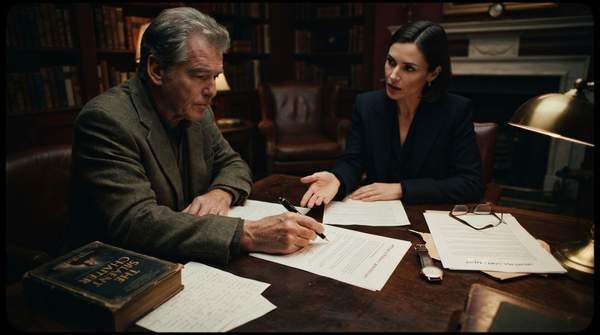
At a Shanghai masterclass, Leung reflected on his extensive preparation for 'Silent Friend', detailing his six-month immersion in neuroscience research (IMDb, Variety). Such intense dedication to character immersion creates intricate details and emotional depth. These elements, he argues, demand the full attention and scale of a theatrical presentation. His method acting, therefore, becomes a direct argument for cinema's unique power to convey subtle performance nuances, suggesting that the very act of creation is tied to the intended viewing format.
A Broader Debate on Film Consumption
Leung's advocacy for cinema viewing echoes a broader sentiment among filmmakers. Many purists fear streaming's convenience erodes the communal and immersive aspects central to the art form. This positions Leung not just as an actor, but as a defender of traditional film appreciation. His insistence that nuanced performance requires the big screen serves as a direct indictment of streaming culture, implying that a silent artistic sacrifice is being made by artists whose work is primarily consumed at home. This raises questions about the long-term impact on cinematic storytelling itself.