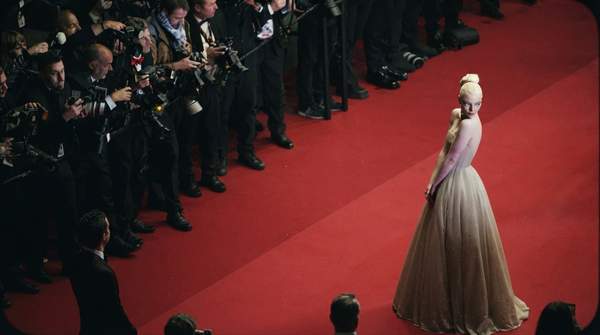
After 118 days, Hollywood actors ended their strike on November 9, 2023, securing a tentative four-year deal that includes unprecedented protections against artificial intelligence. Thousands of performers across film and television advocated for fair terms throughout the prolonged dispute. The agreement outlines a new framework for actor compensation and industry practices, particularly regarding AI-generated performances and digital likeness rights.
Studios initially sought to leverage AI for efficiency and cost savings. Yet, the actors' strike forced them to agree to terms prioritizing human consent and compensation over unchecked technological adoption. This tension between technological advancement and labor rights defined the lengthy negotiation between SAG-AFTRA and the AMPTP.
The agreement will likely influence future labor negotiations across industries grappling with AI, setting a new standard for worker safeguards. It redefines digital likeness as compensable property, compelling studios to pay for AI-generated performances, establishing a legal blueprint for creative labor.
How Does the SAG-AFTRA AI Deal Protect Actors?
The SAG-AFTRA deal mandates consent and compensation for all actors for any AI use, regardless of their status, according to Wired. This universal protection extends robust digital rights to every guild member, from background performers to lead stars. The agreement also demands protections against machine-learning tools used to manipulate or exploit actors' work, as reported by Wired. These safeguards proactively regulate AI likenesses, anticipating future forms of digital exploitation beyond simple replication.
The SAG-AFTRA Commercials Contracts Negotiating Committee unanimously approved a tentative agreement, according to SAG-AFTRA. This suggests broad industry-wide recognition for these AI protections, extending beyond film and TV to other lucrative sectors. However, the agreement remains subject to approval by the SAG-AFTRA National Board and a subsequent ratification vote by members, as stated by The Hollywood Reporter. This introduces uncertainty to the full implementation of these groundbreaking terms.
The robust AI safeguards mark a landmark achievement for labor, ensuring actors maintain control and receive fair compensation for their digital likeness. This outcome underscores the high stakes in defining digital labor rights for creative professionals.
Why Did the SAG-AFTRA Strike Last 118 Days?
The 118-day SAG-AFTRA strike, which concluded in November 2023, signaled fierce studio resistance to AI protections. The prolonged duration suggested studios viewed AI as a significant tool for efficiency and cost savings in production workflows. Their eventual acceptance of these terms, particularly universal consent and compensation for digital likenesses, represents a major capitulation from the AMPTP.
Companies across creative industries must now recognize the era of unchecked AI exploitation of human likenesses is over. The 118-day strike proved labor's willingness to endure significant hardship to reclaim ownership of their digital selves. This struggle illuminated the high stakes in defining digital labor rights and the industry's challenge to adapt to technology while protecting human creativity.
What Impact Will the SAG-AFTRA Deal Have on Other Industries?
The SAG-AFTRA deal transforms AI-generated performances from a studio cost-saving tool into a new revenue stream for labor. By mandating consent and compensation for all actors' digital likenesses, it sets a powerful precedent for intellectual property rights in the digital age. This shift will likely influence companies across creative industries, from gaming to advertising, as they grapple with similar questions of digital labor and compensation.
The unanimous approval by the Commercials Contracts Negotiating Committee suggests these AI protections are not merely a film industry anomaly. This foundational shift ensures digital rights will become a non-negotiable component of future labor negotiations across all media sectors. Other unions and guilds may now seek similar protections for their members, establishing a unified front against unchecked AI adoption.
By Q3 2026, major studios, including those represented by the AMPTP, have fully integrated the new AI compensation structures into their production budgets. This will necessitate a comprehensive reevaluation of digital content creation strategies. Ensuring compliance with the universal consent and compensation mandates established by the SAG-AFTRA deal will be paramount for ongoing productions and future projects.