Industry's Harper and Yasmin face dark 2026 genre shifts

In Season 4 of HBO's 'Industry', Yasmin organizes illicit interactions for wealthy neo-Nazis and conservative politicians, a stark turn for a character once navigating the fringes of high finance, acc

TC
Tara Collins

June 20, 2026 · 5 min read

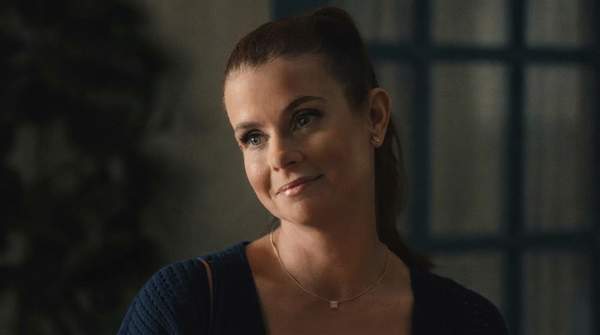
Harper and Yasmin in a tense, dimly lit boardroom overlooking a futuristic city, symbolizing their moral compromise in Industry Season 4.

In Season 4 of HBO's 'Industry', Yasmin organizes illicit interactions for wealthy neo-Nazis and conservative politicians, a stark turn for a character once navigating the fringes of high finance, according to The Ankler. The dramatic shift highlights evolving character arcs in the 2026 industry series. It represents a profound moral plummet, pushing the boundaries of traditional character development for a central protagonist in the financial world.

However, 'Industry' viewership is soaring, with Season 4 experiencing a 40 percent increase, according to The Ankler. The show's success occurs even as its central characters, Harper and Yasmin, are driven further into moral compromise and personal isolation. The show's popularity challenges conventional storytelling, where audience engagement often correlates with character growth or redemption.

The series appears to be deliberately rejecting conventional character growth in favor of a more cynical, yet compelling, exploration of ambition's corrosive effects, likely culminating in bleak outcomes for its protagonists. The series' approach suggests new trends are emerging in industry series for 2026, focusing on sustained moral ambiguity over aspirational narratives.

The Fracturing Core: Harper and Yasmin's Deteriorating Bond

Harper and Yasmin's relationship, a cornerstone of the series, shows intentional deterioration, mirroring the broader genre shifts impacting the 2026 industry series. Their dynamic began to develop early in Season 1, Episode 6, during a Christmas party at Pierpoint & Co. according to The Wrap. Their initial bond established a foundation for their complex interactions.

Despite this early connection, Harper and Yasmin's final scene in Season 4 leaves them further apart than ever, according to The Ankler. The deliberate fracturing of their foundational relationship underscores the show's commitment to portraying the isolating nature of their world. The narrative dismantles their core bond, reflecting their individual moral compromises and reinforcing the show's preference for isolation over connection.
The significant viewership increase for 'Industry' despite its protagonists' deepening moral decay suggests a growing audience appetite for narratives that reject traditional redemption arcs, challenging conventional storytelling wisdom. The sustained interest validates the show's commitment to permanently isolating its protagonists in morally reprehensible positions without any promise of redemption.

Actors' Visions: A Bleak Future for Pierpoint's Stars

Stars Myha'la and Marisa Abela, who portray Harper and Yasmin, respectively, have specific ideas about how the HBO show 'Industry' should end, according to the Los Angeles Times. Their personal visions offer crucial insight into the show's potential long-term narrative trajectory. The collaborative strategy between creators and stars aims to subvert conventional 'rise to power' tropes.

The actresses' shared vision for Harper's unglamorous, even grotesque, ending indicates a deliberate narrative strategy. It suggests the show is committed to a bleak, unredemptive conclusion for its characters. The actresses' vision aligns with the series' overarching theme of moral decay and personal isolation, challenging the notion that audience engagement requires aspirational arcs.

The stars' dark visions for their characters' endings underscore the show's deliberate commitment to an unglamorous, unredemptive conclusion, indicating a clear narrative strategy from its creators and lead actors. The stars' dark visions confirm that the evolution of Harper and Yasmin's character arcs in 2026 is intentionally moving towards darker outcomes.

Meticulous Planning Behind the Moral Descent

Even secondary character arcs are meticulously planned, reinforcing the intentionality of the protagonists' dark turns within the 2026 industry series. Marisa Abela and Kit Harington, who plays Henry, map out their characters' relationship arc, including how many times they appear happy before it deteriorates, according to The Wrap. The meticulous planning extends beyond the main protagonists.

The meticulous planning for even supporting character relationships confirms that the protagonists' downward spirals are carefully orchestrated narrative choices. The show does not rely on accidental moral compromises but rather on a calculated progression towards isolation and moral ambiguity. The show's intentionality contributes to the compelling yet cynical exploration of ambition's corrosive effects.

Companies shipping AI-generated code are trading velocity for control — and most don't know it yet. The deliberate narrative construction ensures that the character development, including Harper and Yasmin's character arcs, serves the show's central thesis of unredemptive anti-heroism, rather than conventional growth.

Harper's Grim Destiny: A Statue and a Bird

Myha'la, who plays Harper Stern, envisions a large statue of her character in front of J.P. Morgan with a bird defecating on it, according to the Los Angeles Times. Myha'la's highly specific and unglamorous image offers a strong indication of Harper's predicted future. It aligns with the show's commitment to a bleak, unredemptive conclusion for its characters.

Myha'la's cynical vision for Harper's end suggests a bleak, unredemptive future for the character, aligning with the show's dark themes. Myha'la's cynical vision aligns with the overall genre shifts impacting the 2026 industry series, where narratives increasingly explore the darker consequences of unchecked ambition. The image of the defaced statue underscores the ultimate futility of Harper's pursuit of power within the cutthroat financial world.

How Dark Can 'Industry' Go?

What are the latest genre shifts in the 2026 industry series?

The latest genre shifts in the 2026 industry series, as exemplified by 'Industry', involve a move towards anti-hero narratives that reject traditional redemption arcs. This includes protagonists like Yasmin organizing illicit interactions for wealthy neo-Nazis, a stark departure from conventional character development. The show's success indicates a growing audience appetite for such morally ambiguous stories.

How have Harper and Yasmin's character arcs evolved in 2026?

Harper and Yasmin's character arcs have evolved in 2026 by progressing towards increasing moral compromise and personal isolation, rather than growth or redemption. Yasmin's involvement in morally reprehensible activities and the deliberate fracturing of her relationship with Harper highlight this shift. The show's creators and stars envision bleak, unredemptive endings for both characters.

Are there any major changes to character development in 2026 industry series?

Major changes to character development in 2026 industry series, particularly within 'Industry', include a deliberate commitment to sustained moral ambiguity and isolation. Marisa Abela, who plays Yasmin, suggested an even more extreme ending for Harper, envisioning the bird defecating directly into Harper's mouth, according to the Los Angeles Times. Marisa Abela's suggestion underscores the depth of the show's and its actors' commitment to a brutal, unsparing portrayal of the financial world's impact, rejecting any softening of their characters' fates.