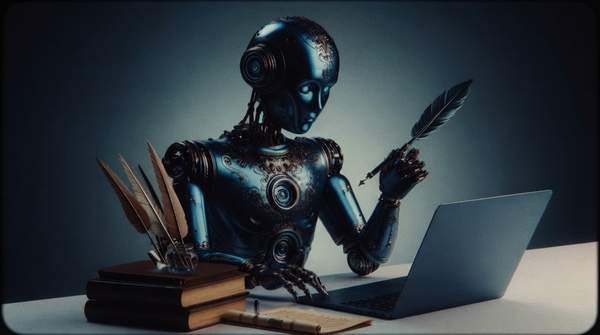
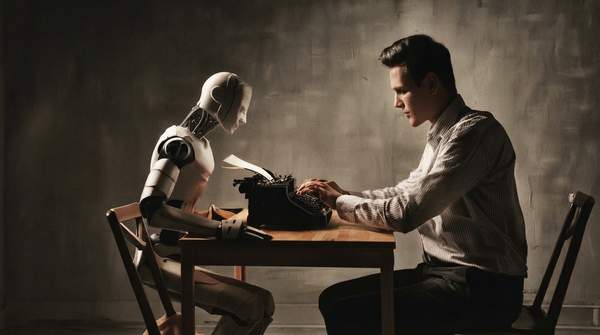
Two Oscar-honored films, Emilia Perez and The Brutalist, already leveraged AI technology for subtle yet impactful elements: voice alteration and accent fine-tuning, as reported by BBC. Such quiet integration into high-profile productions reveals AI's pervasive, often unseen, influence on cinematic artistry in 2026.
AI is rapidly becoming an indispensable tool in high-profile film productions, but the legal and ethical frameworks governing its use lag far behind. This creates a challenging environment for creators and studios navigating new technological frontiers.
Given the rapid adoption of technology and slow development of industry standards, the film industry will likely embrace AI for efficiency while grappling with significant ethical and legal disputes for the foreseeable future.
How AI is Streamlining Creative Production
AI tools accelerate filmmaking's initial stages, from concept to consistent output. They create outlines based on campaign goals, speeding ideation and aligning with strategy, according to BBC. These tools also ensure consistency by utilizing pre-programmed brand voice directives, invaluable for large franchises or ad campaigns. This efficiency allows filmmakers to rapidly prototype and maintain a uniform creative vision, fundamentally reshaping pre-production workflows.
The Business of AI in Hollywood
AI film technology companies command significant financial momentum. Runway, powering production workflows, is valued at $5.3 billion and reported $40 million in annual recurring revenue in Q2 2026, according to TechCrunch. Its technology has already been used in acclaimed films like Everything Everywhere All At Once. This financial success and adoption in high-caliber productions validate AI's critical role, not just as an efficiency tool, but as a core component of contemporary cinematic achievement.
The Looming Ethical and Legal Battlegrounds
AI's rapid proliferation in filmmaking creates significant legal and ethical challenges, especially concerning intellectual property. OpenAI and Google face lawsuits for allegedly using copyrighted material without consent to train their AI models, according to BBC. Beyond copyright, generative AI's ability to create entire scripts, animation, locations, voices, and even human actors fuels fears of job displacement among industry professionals, BBC.com reports. This unchecked technological advance threatens to erode artistic integrity and leave individual creators vulnerable, as legal frameworks struggle to keep pace.