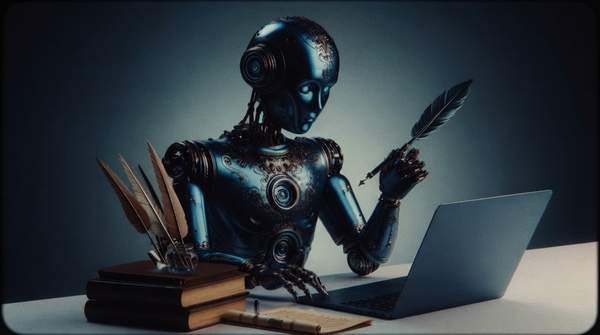
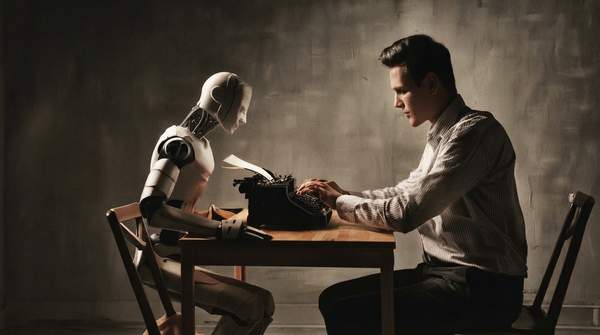
In Australia, the Perth Comics Arts festival explicitly banned all AI-generated materials, a stark declaration from a community fighting to preserve human artistry. The decisive stance, reported by The Guardian, shows a growing resistance: artists refuse to promote outputs created by artificial intelligence. Such measures reveal a deep concern over creative integrity, especially as AI integration erodes the human element in 2026. The prohibition suggests artists fear not just job displacement, but a fundamental erosion of art's very definition.
Artificial intelligence is often presented as a tool expanding creative possibilities. Yet, many artists increasingly view it as a direct threat, diminishing their unique human contribution. The conflict shapes the ongoing discussion: perceived enhancement collides with concerns of erosion.
The growing resistance, coupled with AI's documented impact on individual skill, forces creative industries toward a reckoning. The true value of human versus machine-generated art will be weighed, potentially bifurcating the market. 'Human-made' may become a premium label.
The Crutch Effect: How AI Undermines Human Skill
Artificial intelligence can function as a crutch, impairing an individual's creative thinking. The New York Times published this finding. It challenges the notion that AI consistently enhances human ingenuity, instead suggesting cognitive dependency. Relying on AI for creative tasks risks atrophying the cognitive muscles defining human ingenuity. The tool meant to enhance creativity might inadvertently make human creators less capable without it. The paradox merits careful consideration.
A New Co-Creator? The Promise of Amplified Creativity
Conversely, AI has evolved from a passive instrument to an active co-creator. It amplifies human intuition and expands creative possibilities, as detailed by pmc. The perspective sees AI as a powerful extension of the human mind, pushing artistic boundaries rather than replacing creators. Used judiciously, AI can catalyze novel ideas, offering new mediums and approaches. Companies promote AI as a universal creative amplifier, suggesting it unlocks new avenues for expression and streamlines workflows. However, this promise often overlooks the potential for dependency.