With a self-noise of just 4dBA, the Rode NT1 stands as one of the world's quietest studio microphones. Professional audio quality is achievable even for home setups. Creators can capture pristine sound without the hum and hiss that often plague amateur recordings, directly elevating content quality.
Content creators face countless gadget options. However, the most significant production quality gains come from focused investment in key audio and video essentials. Prioritizing core equipment, like microphones and cameras, achieves a professional polish that resonates with audiences, rather than chasing every new accessory.
Creators who strategically select foundational gear, such as high-performance microphones and versatile cameras, will likely achieve higher audience retention and perceived professionalism. They will outperform those who prioritize quantity over quality in their pursuit of creator gadgets for 2026.
While the EOS R6 Mark II offers impressive 4K 60p video, the market also provides diverse audio solutions. SoundRef highlights the Rode NT1 as the best vocal mic, the Shure SM7B as a special mention, and the Audio Technica AT2020 as the best budget microphone. While video capabilities matter, superior audio is a more accessible and impactful differentiator for production value than high-end video specs alone.
1. Rode NT1
Best for: Vocalists, podcasters, and streamers requiring pristine, studio-grade audio.
This best-selling studio condenser microphone delivers a clean, detailed, and bright sound. Its ultra-low 4dBA self-noise means professional recordings are possible even in home environments. Dual XLR and USB connectivity offers flexible setup integration.
Strengths: Ultra-low 4dBA self-noise for silent recordings | Versatile XLR and USB connectivity | Wide frequency range (20Hz to 20kHz) with nuanced response | Limitations: Condenser mics can be sensitive to untreated room acoustics | Price: Moderate to high
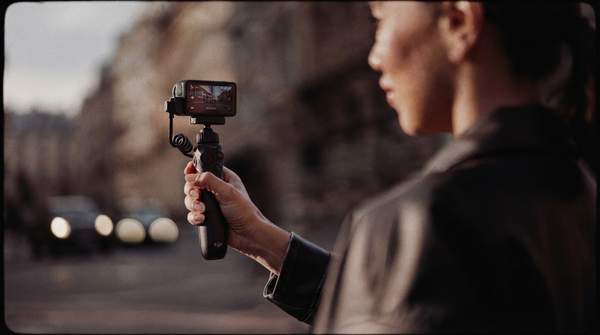
2. EOS R6 Mark II
Best for: Videographers and content creators prioritizing high-resolution video capture.
The EOS R6 Mark II provides up to 4K 60p video recording, delivering clear, detailed footage essential for professional visual content. This camera represents a significant, but often secondary, investment compared to foundational audio.
Strengths: High-resolution 4K 60p video recording | Excellent image quality | Versatile for various video formats | Limitations: Higher cost investment compared to audio-focused gear | Price: Premium
3. Shure SM7B
Best for: Podcasters, broadcasters, and vocalists in less-than-ideal acoustic environments.
The Shure SM7B is an industry-standard dynamic microphone, renowned for its rich, clear sound and superior noise-rejection. Its ability to isolate vocals from background disturbances makes it invaluable where room treatment is not an option.
Strengths: Exceptional noise-rejection | Rich, warm vocal tone | Durable, robust construction | Limitations: Requires a high-gain preamplifier | Price: Moderate to high
4. Aston Origin microphone
Best for: Home studio users seeking high-quality sound with practical features on a budget.
Available for under $250, the Aston Origin microphone combines affordability with professional features. Its built-in -10dB pre-attenuation pad and high pass filter offer essential control over recording levels and unwanted low-frequency noise, democratizing advanced audio adjustments.
Strengths: Accessible price point | Built-in pre-attenuation and high pass filter | Stylish design | Limitations: Requires phantom power | Price: Budget-friendly
5. AKG C414 XLII
Best for: Professional studios and creators demanding premium vocal clarity and versatility.
The AKG C414 XLII is a premium choice for vocal recording, offering exceptional sound reproduction and a range of polar patterns. This versatility makes it adaptable to nearly any recording situation, justifying its high-fidelity output.
Strengths: Premium sound quality | Multiple polar patterns for flexibility | Robust build | Limitations: High cost | Price: Premium
6. AKG C214
Best for: Creators seeking premium sound quality within a more constrained budget.
The AKG C214 is listed as the best budget premium microphone. It balances high-quality audio performance with cost-effectiveness, proving that detailed sound doesn't always require top-tier investment.
Strengths: Excellent sound for its price point | Durable construction | Clear, detailed audio capture | Limitations: Single polar pattern (cardioid) | Price: Mid-range
7. Audio Technica AT2020
Best for: Aspiring content creators and home studio owners on a strict budget.
Identified as the best budget microphone, the Audio Technica AT2020 provides reliable, clear audio capture at an entry-level price. It offers a solid starting point for improving production quality without significant financial risk.
Strengths: Highly affordable | Clear, consistent sound | Durable build for its price | Limitations: Basic features | Price: Entry-level
Microphone Features at a Glance
| Microphone Model | Type | Key Feature | Self-Noise / Noise Rejection | Price Point |
|---|---|---|---|---|
| Rode NT1 | Condenser | XLR and USB connections | 4dBA (Ultra-low self-noise) | Moderate to High |
| Shure SM7B | Dynamic | Industry-standard design | Superior noise-rejection | Moderate to High |
| Aston Origin | Condenser | -10dB pre-attenuation pad, high pass filter | Not specified (cardioid polar pattern) | Under $250 |
Understanding specific technical features like polar patterns, attenuation pads, and price points is crucial for matching a microphone to a creator's unique recording environment and budget. The Aston Origin, for example, offers essential controls for under $250, making professional-level adjustments accessible.
Making Your Essential Gear Choices
The market's abundance of high-performing, yet accessible microphones, from the Rode NT1 to the Audio Technica AT2020, means professional audio is no longer a premium differentiator but a baseline expectation. Content failing this standard risks being dismissed as amateur, regardless of visual polish. Creators prioritizing advanced video capabilities, like the EOS R6 Mark II's 4K 60p recording, over fundamental audio excellence, such as the Rode NT1's 4dBA self-noise, often misunderstand the hierarchy of perceived production value, sacrificing clarity for resolution.
Common Questions About Creator Gear
What essential gear do I need for podcasting in 2026?
For podcasting, a high-quality microphone is paramount. While many options exist, the Shure SM58 is recognized as the best mic for recording and stage use, offering robust performance and clarity. You'll also need an audio interface or mixer, and reliable headphones to monitor your sound.
As content creation evolves, creators who continue to prioritize foundational audio excellence, like that offered by the Rode NT1 or Shure SM7B, will likely maintain a competitive edge, as audience expectations for pristine sound only grow.