Film and Pen
Film & TVContent CreationProductionBooksAdvertising
Film and Pen

Where creativity meets industry: film, TV, books, and media.

Film & TVContent CreationProductionBooksAdvertisingCreators
WritersContactPrivacyTerms
FilmmakingFilmmakingFilm ProductionVisual StorytellingAiAdvertisingMarketingContent Creation

© 2026 Film and Pen. All rights reserved.

  1. Home
  2. /Books
  3. /What is Transmedia Storytelling and Why Does It Matter for Writers?
Books

What is Transmedia Storytelling and Why Does It Matter for Writers?

To fully grasp a modern story, students must often become digital detectives, actively hunting for narrative clues scattered across YouTube, Instagram, and dedicated fan wikis.

AF
Amelia Frost

September 3, 2026 · 3 min read

A writer immersed in a digital landscape, connecting story elements across various online platforms for transmedia storytelling.

To fully grasp a modern story, students must often become digital detectives, actively hunting for narrative clues scattered across YouTube, Instagram, and dedicated fan wikis. This 'hunting and gathering' across multiple platforms, as described by Henry Jenkins, demands significant audience effort. Yet, this very effort cultivates deeper understanding and critical skills, transforming passive consumption into an immersive, investigative journey. Storytellers who master transmedia will capture more engaged audiences, while those who stick to single-platform narratives risk losing relevance, missing a critical educational imperative for advanced literacy.

This dynamic learning experience, where each platform provides a piece of a larger puzzle, moves beyond simple engagement tactics. For instance, a character's backstory might emerge from a podcast, while their current emotional state is conveyed through social media posts. The audience's task is to connect these disparate narrative elements, actively constructing meaning rather than merely receiving it.

Beyond the Screen: Defining Transmedia Navigation

Transmedia navigation, as defined by Henry Jenkins, is the capacity to seek out, evaluate, and integrate information across multiple media. This is not merely content distribution; it demands the audience's active role in piecing narratives together from disparate sources.

Successfully navigating these dispersed narratives requires more than simple consumption; it demands a sophisticated blend of critical thinking and media literacy. Audiences must discern the reliability of information from different platforms and understand how each medium uniquely contributes to the overarching story. This active synthesis of information develops advanced cognitive skills beyond what passive viewing typically offers, preparing individuals for a fragmented information landscape.

Crafting Worlds: The Art of Transmedia Adaptation

Translating an established story, like a novel into a computer game, requires identifying its distinctive features and considering each medium's affordances, notes Henry Jenkins. This demands a profound understanding of both the core narrative and the unique expressive potential of each chosen medium.

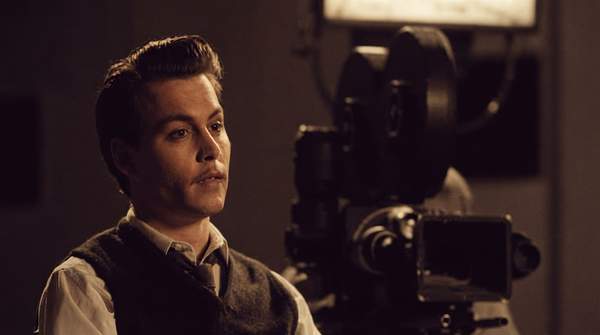
Storytellers must decide which elements remain constant and which can be reimagined to best suit a new platform, ensuring narrative coherence while maximizing engagement. A book's internal monologue might become interactive choices in a game, or a film's visual style could inspire a graphic novel. This cognitive labor of translation fosters a deeper, more analytical understanding of narrative structure and media-specific communication than traditional single-medium engagement.

More Than Entertainment: Transmedia's Educational Power

Beyond mere entertainment, transmedia serves as a powerful pedagogical tool. Educators leverage transmedia storytelling to foster textual, visual, and media literacies, alongside critical thinking, according to EBSCO. This cultivates essential 21st-century skills and intellectual growth.

In an age saturated with content, the true value of transmedia, as evidenced by Jenkins, lies not just in consuming stories across platforms, but in the cognitive labor required to translate them. This process forces a deep understanding of narrative structure and media-specific communication that passive consumption simply cannot replicate. These active navigation and integration skills are foundational competencies for any individual attempting to make sense of complex information.

What are the core elements of good storytelling?

Good storytelling, regardless of medium, relies on universal principles like compelling characters, a clear plot, a distinct setting, and resonant themes. Transmedia approaches uniquely highlight these elements by requiring creators to adapt and maintain their essence across disparate platforms, exposing how each component functions independently and collectively.

How can I adapt my stories for different media?

Adapting stories for different media requires identifying the narrative's distinctive features and understanding the unique "affordances" of each platform. For example, a novel's internal monologue might become interactive choices in a video game, while a film's visual spectacle could translate into immersive virtual reality experiences. This translation process is a primary mechanism for developing critical skills in identifying narrative features and understanding media capabilities.

What makes a story engaging for an audience?

A story becomes engaging for an audience through active participation and the cognitive reward of piecing together a larger narrative. Transmedia narratives, in particular, encourage audiences to become "digital detectives," seeking out clues across various platforms. This active engagement transforms consumption into a dynamic learning experience, fostering a deeper connection and understanding than passive reception.

The shift towards transmedia storytelling appears not just an evolution of entertainment, but a redefinition of literacy itself. If current trends hold, educational institutions and media companies like "Narrative Architects Inc." will likely integrate transmedia projects more deeply into curricula and content strategies, recognizing their capacity to cultivate advanced critical thinking and information synthesis skills essential for navigating a complex world.

Related Coverage from Books

  • Master Digital Coloring: Your Guide to Using Apps
  • Good Good Golf Leaders Depart Amid Ad Controversy
  • independent

Tags

Transmedia StorytellingStorytellingWritingContent CreationDigital MediaAudience EngagementNarrativeFilmBooks
AF

Amelia Frost

Books & Media Writer

Amelia Frost is a Books & Media Writer for Film and Pen, where she covers books, storytelling, and the evolving media industry with a thoughtful, literary lens.

More from Books

Director and screenwriter discussing a book adaptation, with books and film reels symbolizing the transition from page to screen.

How Are Films Adapted From Books to Screen?

Films adapted from books now generate 53% more revenue than original screenplays, a compelling financial advantage driving studios to translate narratives from page to screen.

Amelia Frost· Sep 10
Silicon Heartbeats Earns Early Critical Praise for Blending Startup Detail With Personal Consequence

Silicon Heartbeats Earns Early Critical Praise for Blending Startup Detail With Personal Consequence

In the crowded field of tech narratives, Alessandro Sappia’s debut novel, Silicon Heartbeats , establishes a unique space by focusing less on the disruption and more on the disruptors. The book explores the complex inter…

Amelia Frost· Sep 9
Film director studying books on visual storytelling, surrounded by storyboards and cinematic light, representing the importance of foundational knowledge in filmmaking.

Top 6 Essential Books for Film Directors on Visual Storytelling

Sidney Lumet, a director with 42 films and an equal number of television works, built a career on a deep understanding of visual narrative.

Julian Mercer· Sep 9
A visual representation of a book seamlessly transitioning into a film reel, symbolizing the art of book-to-screen adaptations and redefining storytelling.

Top 7 Book to Screen Adaptations Redefining Storytelling

Denis Villeneuve's 'Dune' (2021) was praised for its visual translation of Frank Herbert's intricate world-building and internal monologues, making a previously 'unfilmable' book accessible to a globa

Amelia Frost· Sep 8

Trending Now

1
Diverse group of aspiring filmmakers working together in a bright, modern film studio with advanced equipment, symbolizing opportunity and creativity.

AFI names 2026-27 Canva Fellowship recipients at Conservatory

Production· 6 views
2
A Deep Dive Into Amir Saranga’s Multi-Platform Creator Ecosystem

A Deep Dive Into Amir Saranga’s Multi-Platform Creator Ecosystem

Production· 10 views
3
Diverse creators collaborating with AI sound waves, symbolizing global accessibility and innovation in content creation.

Seed Audio 1.0 Features Enhance Accessibility for 20 Languages

Content Creation· 4 views
4
Futuristic media planning control room with holographic displays showing AI-driven insights, incrementality metrics, and revenue growth projections, with a diverse team collaborating.

What is the role of a media planner in 2026 advertising?

Advertising· 4 views
5
A screenwriter interacting with a holographic AI interface that visualizes a story web, symbolizing AI's role in revolutionizing screenwriting and story development.

AI Tools for Screenwriting Revolutionizing Story Development

Film Tv· 7 views
6
Empty office chairs and desks at Sony Pictures, symbolizing recent layoffs and the challenges facing the entertainment industry in 2026.

Sony Pictures begins layoffs amid 2026 entertainment industry challenges

Media Industry· 6 views