What is the role of a production designer in film and TV?

From the grimy streets of Gotham to the opulent ballrooms of Bridgerton, every visual detail on screen is meticulously crafted and overseen by a single creative architect: the production designer.

VR
Victor Ren

April 22, 2026 · 5 min read

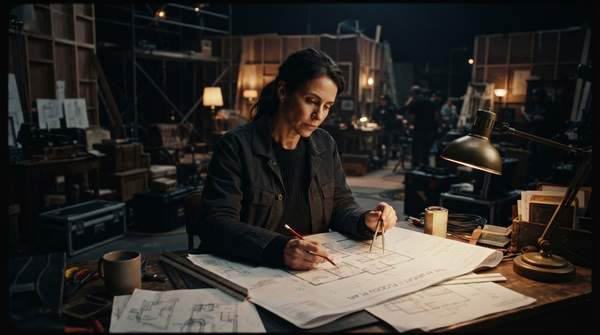
A production designer directing a film set, overseeing set construction, props, and lighting, collaborating with the director.

From the grimy streets of Gotham to the opulent ballrooms of Bridgerton, every visual detail on screen is meticulously crafted and overseen by a single creative architect: the production designer. Their strategic decisions regarding sets, locations, and props directly shape the visual atmosphere, immersing audiences deeply into diverse cinematic worlds. This intricate role remains central to a film's aesthetic identity, influencing everything from period authenticity to futuristic landscapes.

However, audiences often perceive a film's visual style as a singular directorial vision. This overlooks the production designer, who translates that vision into a tangible, physical world through extensive planning and execution. This perception creates a disconnect between the visible artistic output and its primary creative source, underestimating their profound impact on storytelling and audience immersion.

The production designer begins work during pre-production, collaborating directly with the director and producer according to NYFA. This early involvement positions them as the head of the entire art department, overseeing all visual aspects from initial concept to final execution according to Central Casting. This dual responsibility—early strategic input and comprehensive departmental leadership—establishes the film's entire aesthetic foundation.

Defining the Visual Architect's Domain

The production designer's domain encompasses the entire physical appearance of a movie or TV show, including set construction, prop creation, and meticulous location dressing according to Central Casting. Each shooting location must be perfectly prepared and align with the film's overarching vision according to NYFA. This includes practical considerations like logistics and functionality, not just aesthetics. Even the smallest props, movable objects used by actors, must match the overall design and can inform the audience about a character's background or personality according to Central Casting. This comprehensive discipline ensures every tangible element on screen contributes to a cohesive, intentional visual narrative, making the visual atmosphere deeply integrated into the storytelling rather than merely decorative.

From Script to Sketch: The Creative Visualization Process

The creative journey begins with an in-depth script analysis and extensive collaboration with the director and other department heads to visualize the screenplay according to ScreenSkills. Production designers draw detailed sketches illustrating physical structures, mood, atmosphere, lighting, composition, color, and texture according to ScreenSkills. These artistic renderings provide a concrete visual blueprint, which the art director then develops. This deep artistic authorship over a film's aesthetic foundation, often mistakenly attributed solely to directors or cinematographers, is a core function of the production designer.

Beyond conceptualization, production designers develop the comprehensive visual design concept, generate detailed breakdowns and budgeting for the art department, and present these designs to directors for approval according to AFI. They also find and prepare locations and interface with various department heads throughout pre-production and production. This extensive pre-production work reveals that a film's visual identity is less an organic directorial whim and more a meticulously engineered blueprint, often finalized before cameras even roll.

Orchestrating the Vision: Management, Collaboration, and Impact

Beyond creative visualization, the production designer assumes a critical management role. Strong leadership skills ensure every element aligns with the singular creative vision according to NYFA. This oversight extends across departments, maintaining visual consistency throughout production. Collaboration is also crucial; they work with costume designers to ensure costumes fit characters and contribute to the overall visual identity, matching established color palettes according to Central Casting. This inter-departmental coordination prevents visual elements from appearing isolated or out of place.

Crucially, the production designer balances artistic ambition with practical constraints, managing the entire film's budget according to NYFA. This financial acumen, combined with creative and managerial skills, solidifies their position as the true, albeit uncredited, visual showrunners. By orchestrating everything from location scouting to prop selection and collaborating with costume designers, production designers ensure every on-screen element consistently serves the narrative and director's often abstract vision. This comprehensive role shapes the audience's immersive experience and contributes significantly to the film's overall integrity.

Why Visual Cohesion Matters for Storytelling

The production designer's meticulous work directly impacts audience engagement. By carefully crafting every visual detail, they establish a world's rules, history, and emotional tone, often before dialogue begins. This visual foundation allows for deeper immersion, making fictional worlds feel authentic and believable. This deep involvement, including informing character through props and ensuring aesthetic consistency with costumes, suggests production designers are as much narrative contributors as visual ones. They shape how audiences perceive the story through its physical environment, subtly guiding emotional responses and reinforcing thematic elements. For example, a character's living space, designed by the production designer, can reveal personality and struggles without explicit exposition.

Common Questions About Production Design

What skills are needed to be a successful production designer?

Successful production designers require a blend of artistic talent, strong communication abilities, and robust management skills. They must possess a deep understanding of art history, architecture, and visual storytelling, alongside practical knowledge of budgeting and scheduling. For instance, a keen eye for detail is essential when selecting period-specific furniture or designing futuristic landscapes.

What is the difference between a production designer and an art director?

While both roles are crucial to a film's visual identity, the production designer is the head of the entire art department, responsible for the overall visual concept and its execution. The art director works directly under the production designer, managing the day-to-day operations of the art department and overseeing the construction and dressing of sets. For example, if the production designer creates concept sketches for a grand ballroom, the art director supervises the team building and decorating that specific set.

How does a production designer influence a film's mood?

A production designer significantly influences a film's mood through deliberate choices in color palettes, textures, and environmental design. They might use muted tones and stark architecture to evoke a sense of despair, or vibrant colors and intricate details to convey joy or fantasy. For instance, the choice of a dimly lit, cluttered apartment versus a bright, minimalist home immediately establishes a character's internal state and the film's emotional atmosphere.

What are the key responsibilities of a production designer?

Key responsibilities of a production designer include script analysis, visual concept development, detailed budgeting for the art department, and overseeing location scouting. They also manage a team of art directors, set decorators, and prop masters, ensuring all visual elements align with the director's vision. This comprehensive role ensures that every tangible aspect on screen contributes to a cohesive narrative and visual atmosphere.

As the industry evolves, the demand for skilled production designers who blend artistic vision with logistical precision will intensify. Major studios, such as Warner Bros. or Netflix, will likely continue to invest heavily in robust art departments to maintain their competitive edge in visual storytelling. The success of several highly anticipated productions will further underscore the indispensable contributions of their production designers, solidifying their critical role in shaping the future of film and television aesthetics.