Volumetric video can capture an actor's full three-dimensional performance and hand the director a movable, re-lightable digital asset—but only if the production is prepared for integration challenges that industry research still describes as unresolved. The technology records subjects in 3D, creating digital models that can be viewed from any angle at any time, and it offers real creative advantages over green screen work, particularly in actor freedom and post-production camera flexibility. The trade-off is that existing volumetric capture solutions are, in the assessment of a feasibility study by Distortion Creative Group and CAMERA at the University of the Bath, "currently not fit for purpose in the commercial environment." This guide walks through the professional workflow, compares the approach against traditional VFX, and sets out the technical hurdles a producer should budget for before committing.
Introduction to Volumetric Video in Film & TV Production
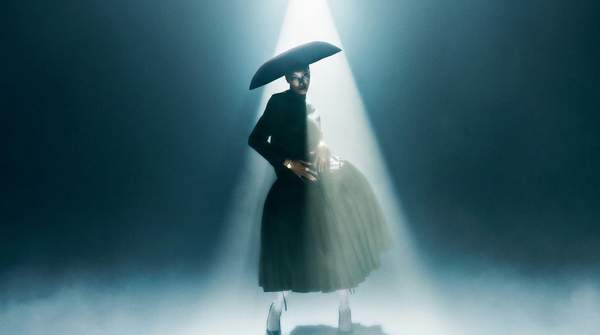
Volumetric video is a capture technique that records a three-dimensional moving object—people, objects, or entire environments—rather than a flat image. As filmmaking guidance on the technology explains, it records subjects in 3D and creates digital models that viewers can see from any angle at any time. In a film and television context, that means a performance is not locked to the camera positions chosen on the day; the resulting asset can be re-framed, re-lit, and composited into scenes long after the shoot ends.
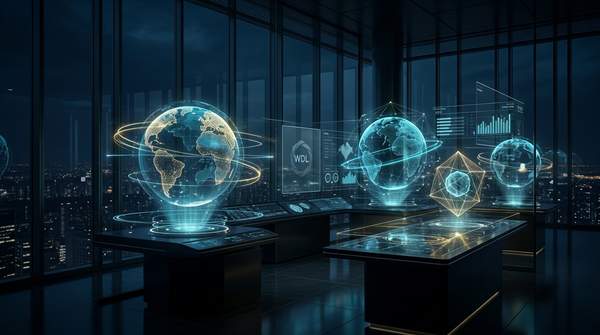
The technology has grown up alongside virtual production, which brings real-time graphics engines such as Unreal Engine into film production by combining 3D camera tracking—using devices such as RedSpy to understand where the camera sits within 3D space—with live-rendered environments. Distortion Creative Group reports using this technology commercially since 2020, across everything from university lectures to narrative films, and is now studying how volumetric capture fits into those extended reality and virtual production workflows. Sony has built its own Volumetric Capture Studio around multiple high-resolution cameras and depth sensors to create photorealistic 3D human performances, capturing actors in full 360-degree detail so directors can make dynamic camera movements and viewpoint changes in post-production.
The Volumetric Video Workflow: Capture, Processing, and Integration
A professional volumetric pipeline breaks into three stages, and understanding where the effort sits in each one is essential to planning a production around it.
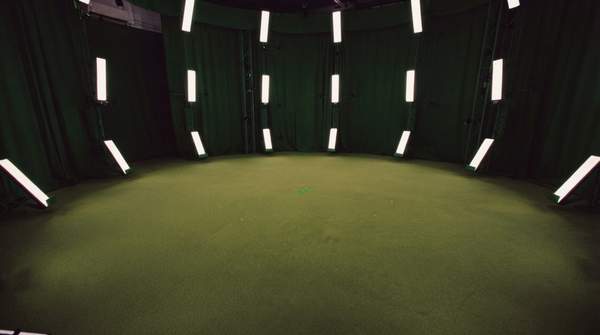
Capture. The subject performs inside a dedicated capture volume ringed by multiple cameras or depth sensors that record depth and color data simultaneously. Sony's studio system uses multiple high-resolution cameras and depth sensors together to build photorealistic 3D human performances. The specific setup varies by system, but it generally involves a dedicated capture stage—though software such as Depthkit has been developed as a flexible option for creators without expensive capture stages, pairing with affordable depth cameras like the Intel RealSense to make volumetric capability accessible to more creators.
Processing. The raw multi-camera data is converted into a three-dimensional moving model of the performance. This is where much of the technical weight sits: the captured depth and color streams must be fused into a usable 3D asset, and as discussed below, current compression and processing techniques are a known weak point for visual quality and speed.
Integration. The finished asset is brought into the production's real-time engine or post-production environment—Unreal Engine for virtual production workflows, or compositing tools for final assembly—where it can be placed in virtual environments, re-framed, and rendered from arbitrary viewpoints. Sony describes its system as integrating with existing film production pipelines and supporting both real-time preview and post-production workflows. In practice, this integration stage is precisely where the industry's open problems cluster: the Distortion Creative Group and University of Bath feasibility study exists because fitting volumetric capture into extended reality and virtual production workflows remains an identified R&D gap rather than a solved problem.