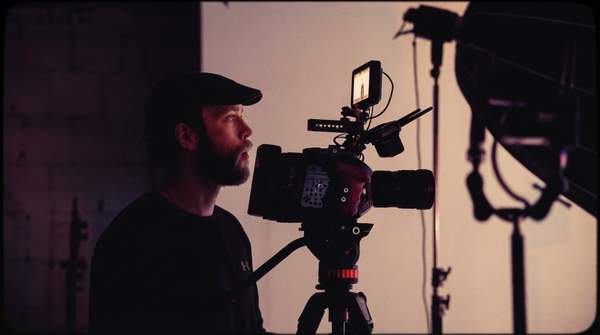
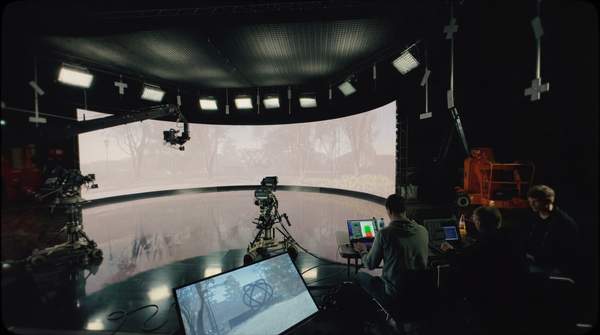
Building an 80-foot diameter LED volume for virtual production, complete with rendering equipment, can cost between $8 million and $16 million, excluding labor, according to Copilotco. This substantial investment establishes a high financial barrier, limiting access to advanced virtual production stages. The technical requirements for these stages, while enabling innovative creative applications, demand significant capital outlay.
Virtual production is increasingly seen as a way to make film and television more efficiently, reducing overall production costs over time, as noted by Journals. However, the initial investment for a large-scale setup reaching $8-16 million presents a significant tension between the promised long-term savings and the immediate financial burden.
While virtual production promises significant long-term efficiencies and creative freedom, its widespread adoption will likely be gated by substantial capital expenditure and the need for specialized technical expertise, favoring larger players in the short term. This dynamic establishes a two-tiered content creation landscape, accessible primarily to well-funded productions.
Understanding Virtual Production: Core Technologies
Virtual production fundamentally integrates real-time 3D environments with physical filming through advanced display and tracking systems. This approach redefines traditional set design, moving away from static physical builds towards dynamic digital backdrops. Virtual production typically means an LED volume displaying a real-time 3D environment, coupled with camera tracking, a real-time engine such as Unreal Engine, and ICVFX workflows, according to 3Peak Studio. This convergence necessitates a new blend of technical and creative expertise, shifting the focus from physical construction to digital asset management and real-time system operation.
The integration of these components allows for seamless interaction between live action and digital elements. LED walls for virtual production offer high resolution and brightness, with HDR color compliance, as detailed by VU. High-fidelity display technology ensures the captured footage accurately reflects the intended digital environment, providing a high-fidelity visual experience directly on set. The technical precision required for these systems contributes to the overall cost and complexity of establishing a virtual production stage.
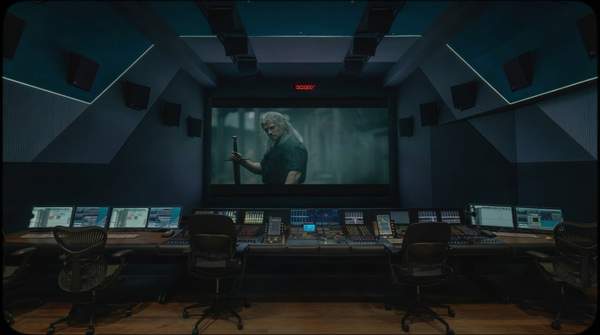
Real-Time Creativity and Collaborative Workflows
The real-time capabilities of virtual production foster unprecedented creative iteration and immediate feedback, streamlining the entire production process and enhancing artistic vision. Filmmakers can capture lighting and reflections in real-time during filming with virtual production, enabling instant adjustments and creative decisions on set, as reported by VU. This immediate visual feedback contrasts sharply with traditional workflows that often involve lengthy post-production cycles for visual effects.
Virtual production enables directors, cinematographers, and visual effects teams to collaborate on a real-time version of the final product, according to AVIXA. This collaborative environment reduces miscommunication and allows for creative exploration directly on the stage. The ability to visualize the final shot with all its digital elements present during principal photography saves significant time and resources in later stages of production.
Diverse Applications and Growing Efficiency
Virtual production is rapidly becoming a mature and efficient solution for a broad spectrum of media content, moving beyond niche applications to mainstream adoption. In January 2026, LED volumes and in-camera VFX (ICVFX) are a credible and repeatable way to shoot commercials, branded content, corporate films, music videos, and live broadcast segments, according to 3Peak Studio. This wide applicability confirms the technology's versatility across different content types and production scales. This broad utility suggests a growing market demand for accessible virtual production solutions, potentially driving down costs as the technology matures and becomes more standardized.
Beyond direct cost savings, the strategic integration of digital environments and effects directly into the shooting process minimizes the need for extensive travel and reduces reliance on costly post-production visual effects. This operational streamlining, however, remains contingent on the initial investment and the ability to amortize those costs over multiple projects.
The Economics: Investment, Rental, and Team
While large-scale virtual production builds are costly, more accessible options like smaller permanent stages or rentals exist, but all require significant financial planning and a dedicated, specialized team. A standing (permanent) virtual production stage, without the full 80-foot LED volume, might cost between $35,000 and $50,000, according to Copilotco. This figure starkly contrasts the multi-million dollar investment for a complete LED volume, revealing a spectrum of virtual production setups. This tiered cost structure suggests a market segmentation where smaller productions might leverage more modest setups or rentals, while large-scale projects justify full-volume investments, each requiring distinct financial strategies.
Renting an LED volume for 2D plate playback, such as for scenes with people in cars, can cost between $50,000 and $75,000 per week, as detailed by Copilotco. These rental costs confirm that while virtual production offers operational efficiencies, ongoing access fees remain substantial for project-based work, effectively limiting true cost savings to productions with consistent, high-volume needs. Furthermore, a large virtual production team typically consists of about 14 people, adding significant labor costs to the overall budget, regardless of the stage's scale.
Addressing Common Virtual Production Challenges
How do virtual production stages differ from traditional filmmaking?
Virtual production stages fundamentally shift the filmmaking paradigm from a linear, post-production heavy workflow to a real-time, iterative process. Traditional filmmaking often builds physical sets or relies on green screens, with visual effects added much later in post-production. Virtual production, by contrast, integrates digital environments displayed on LED walls directly into the filming process, allowing for immediate visualization and adjustment of VFX on set.
What are the benefits of using virtual production stages for content creation?
Virtual production offers several distinct benefits for content creation, including a reduction in the need for extensive physical travel to diverse locations, which can lower logistical costs and environmental impact. The real-time feedback loop minimizes the likelihood of costly reshoots due to visual effects mismatches or creative changes. Additionally, it can create safer and more comfortable filming environments for talent by avoiding hazardous locations or extreme weather conditions.
What is the future of virtual production stages?
The future of virtual production stages points towards increasing accessibility and technological sophistication. Trends suggest a growth in modular, smaller-scale setups that could lower entry barriers for mid-tier and independent productions. Continued advancements in LED technology promise higher fidelity and more immersive environments, while integration with artificial intelligence may enable more dynamic and generative digital content creation on the fly.
The Strategic Imperative of Virtual Production
The substantial capital outlay required for advanced virtual production stages will likely accelerate a bifurcation in the content creation industry. Larger studios and well-funded productions will continue to dominate the cutting edge, leveraging these technologies for unparalleled creative control and efficiency. Conversely, smaller and independent creators may increasingly rely on more accessible, modular solutions or specialized rental services, fostering a distinct ecosystem of innovation at different scales.
While touted for efficiency, virtual production's true cost-effectiveness is only realized by productions with the scale and consistent demand to amortize multi-million dollar investments or justify recurring five-figure weekly rentals, making it a luxury, not a universal solution for leaner operations. By Q3 2026, major studios like Industrial Light & Magic will likely continue to expand their virtual production capabilities, further solidifying their advantage through sustained investment and specialized team development.