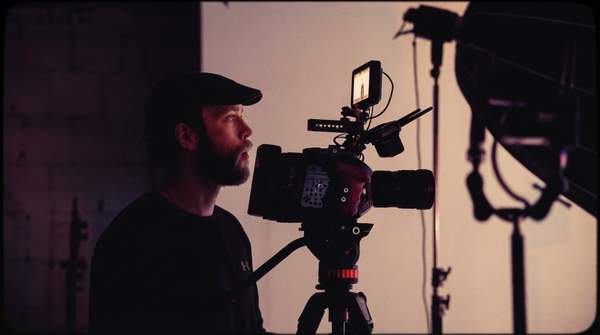
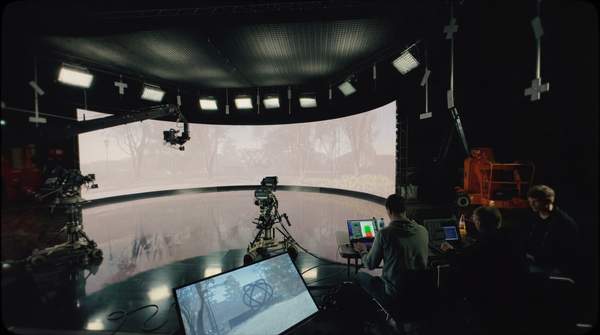
A sci-fi thriller, set in New York City, was filmed entirely inside a small 'micro-volume' for less than $50,000, achieving visuals that belie its modest budget, according to Filmplatforms. This independent production proves ambitious storytelling no longer requires extensive location shoots or multi-million dollar sets, fundamentally altering production possibilities for independent creators in 2026.
Virtual production is often associated with multi-million dollar blockbusters, frequently showcased on expansive LED stages during filming. Yet, its most impactful applications for independent filmmakers lie in affordable pre- and post-production workflows, not necessarily real-time on-set shooting. This distinction reveals a crucial area for strategic application of virtual production techniques for indie filmmakers in 2026.
Independent filmmakers who strategically integrate virtual production, particularly in early stages, gain a significant competitive edge in creative output and financial efficiency. This approach allows cinematic quality previously reserved for high-budget projects, bypassing traditional financial gatekeepers.
Beyond Blockbusters: Virtual Production for Every Budget
While larger productions use virtual production during filming with LED stages and motion capture, smaller films and series find substantial impact in affordable pre- and post-production workflows like previs and postvis, according to CGSpectrum. This adaptability removes virtual production from the exclusive domain of Hollywood giants. It offers benefits in costs, scheduling, and significant creative freedom, according to MDPI. These combined advantages empower independent creators to manage budgets and timelines more effectively, aligning creative aspirations with practical production realities and exploring imaginative concepts without traditional location or set limitations.
Building Worlds on a Budget: The Virtual Production Workflow
The Virtual Art Department (VAD) plays a central role in modern virtual production, creating real-time digital assets like props, characters, and environments. The VAD determines which elements are built digitally, used as live-action physical props, or created in post-production, as detailed by CGSpectrum. This early digital asset creation ensures consistent visual style and efficient resource allocation.
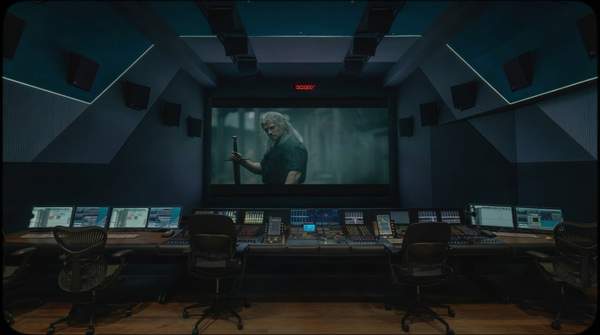
Pre-production in virtual production involves 'pitchvis,' digital scenes that help filmmakers articulate story and tone to investors and producers. This secures buy-in before significant financial commitments, according to CGSpectrum. Pitchvis allows extensive refinement of the creative vision, reducing costly reshoots.
Virtual production also provides clear guidelines to the director or Director of Photography, ensuring precise execution of planned digital environments and character interactions, according to MDPI. Integrating a VAD and pitchvis early allows meticulous project planning, optimized resource allocation, and a cohesive vision from concept to screen. This detailed planning minimizes on-set surprises and maximizes production efficiency.
Despite clear advantages, independent filmmakers face several pitfalls. Initial investment in specialized software and hardware, such as game engine licenses (Unreal Engine, Unity), tracking equipment, and computing power, can be a barrier for tight budgets. Careful financial planning is essential.
The learning curve for advanced tools also poses a challenge. Filmmakers and crew require training in 3D modeling, real-time rendering, and virtual camera operation. A lack of skilled personnel can slow production, negating efficiency gains. Proper training and workflow adaptation are crucial.
Managing technical complexities on a small set demands precise coordination. Issues like camera tracking accuracy, lighting consistency between real and virtual elements, and data management become obstacles if not addressed proactively during pre-production.
To maximize investment, independent filmmakers should prioritize pre- and post-production workflows over expensive on-set real-time volumes. Robust previs and postvis capabilities offer the most accessible entry point, allowing significant creative exploration and problem-solving before principal photography.
Leveraging existing team skills in game design, animation, or architectural visualization reduces retraining needs. Game engine platforms share principles with virtual production tools, easing transition for experienced individuals. Collaborative platforms also expand talent pools by enabling remote VAD contributions.
Starting with smaller projects or specific scenes provides valuable experience without overcommitting resources. Experimenting with micro-volumes, green screens, or simple projection setups helps teams understand virtual production intricacies before feature films. Strategic depth-of-field and careful shot composition enhance the illusion of larger environments, even with limited LED wall space.
What are the essential virtual production tools for low-budget films?
Low-budget films primarily benefit from accessible game engines such as Unreal Engine or Unity for creating virtual environments and assets. Essential tools also include 3D modeling software like Blender for custom props, and simple camera tracking solutions that integrate with these engines. These tools allow for comprehensive previsualization and postvisualization without requiring high-end LED stages.
How can independent filmmakers use LED walls for virtual production?
Independent filmmakers can utilize LED walls by strategically renting smaller panels for short durations, creating "micro-volumes." These setups, combined with thoughtful depth-of-field and precise camera placement, can convincingly portray large-scale environments on screen. The LED walls display real-time environments generated in a game engine, providing accurate lighting and reflections on physical sets and actors.
What are the benefits of virtual production for small studios?
Small studios gain significant advantages, including enhanced creative control by visualizing scenes in detail before shooting, reducing costly reshoots and travel expenses. Virtual production also allows for faster iteration on visual ideas, streamlining the decision-making process. This efficiency enables small studios to produce visually ambitious content within constrained budgets, making their projects more appealing to investors.
Realizing Vision: The Tangible Impact on Indie Films
The success of a sci-fi thriller shot for under $50,000 in a 'micro-volume,' according to Filmplatforms, signals a seismic shift: independent filmmakers are no longer bound by location or budget to achieve cinematic visuals. A $500-a-day LED rental, combined with thoughtful depth-of-field, can convincingly appear as a seven-figure stage on camera, shattering the myth that high-end virtual production visuals require massive budgets.
Independent studios strategically investing in virtual production's pre- and post-production workflows, leveraging the Virtual Art Department and 'pitchvis,' gain a critical advantage. This allows them to visualize and refine complex narratives, appealing to investors and avoiding costly physical production, according to CGSpectrum. Virtual production also helps filmmakers avoid specific location limitations, opening new creative storytelling possibilities, according to MDPI.
The industry's fixation on multi-million dollar LED volumes for on-set virtual production, often highlighted by blockbusters, overlooks the more accessible and impactful applications of previs and postvis for independent creators. This creates a blind spot where innovation for smaller productions thrives, as noted by CGSpectrum. By 2026, independent production house 'Aether Studios' plans to complete three feature films using micro-volume techniques, projecting a 40% reduction in location-related costs, suggesting a future where ambitious independent cinema becomes increasingly viable.