If you're looking for the best emerging filmmaking technologies for independent film production, this ranked guide breaks down the top tools and workflows set to redefine creative possibilities. This list is for independent filmmakers, from solo creators to small production houses, who need to understand which new technologies offer the most significant advantages in efficiency, visual quality, and storytelling innovation. Items were evaluated based on their accessibility to independent budgets, potential for creative impact, and current market readiness.
This list was compiled by evaluating emerging technologies based on their accessibility to independent budgets, potential for creative transformation, and current industry adoption rates.
1. Virtual Production — For blockbuster visuals on an indie budget
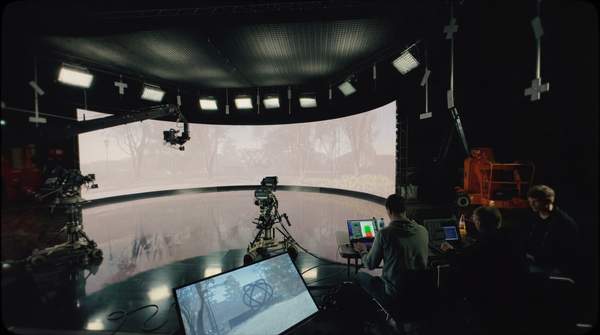
Virtual production is a technique that merges physical and digital filmmaking elements in real-time. From a technical standpoint, this is most commonly achieved using large LED video walls, known as "volumes," that display computer-generated backgrounds behind physical sets and actors. The camera's movement is tracked, allowing the digital background to shift its perspective in perfect sync with the camera, creating a seamless and photorealistic illusion. This process allows filmmakers to capture complex visual effects in-camera, significantly reducing the time and expense typically associated with green screen compositing in post-production.
This technology is best for independent filmmakers aiming to create visually ambitious projects, particularly in genres like science fiction or fantasy, without the budget for extensive location shooting or post-production VFX. According to a report from ANG Studio LV, virtual production is transforming filmmaking by enabling new creative possibilities while cutting post-production costs. It ranks above other visual technologies due to its direct impact on production efficiency, allowing for greater creative control on set. The primary drawback is the high initial cost and technical expertise required to set up and operate an LED volume, though rental studios are making it more accessible.
2. AI-Powered Production Tools — For workflow optimization and data insights
Artificial Intelligence (AI) is being integrated into various stages of the filmmaking process to automate tasks and provide data-driven insights. These tools are not a single technology but a collection of applications, including AI-powered script analysis software that can break down characters and plot points, automated editing tools that can generate rough cuts, and predictive analytics platforms that analyze market data to gauge potential audience preferences. ANG Studio LV notes that these tools are making production processes both faster and smarter.