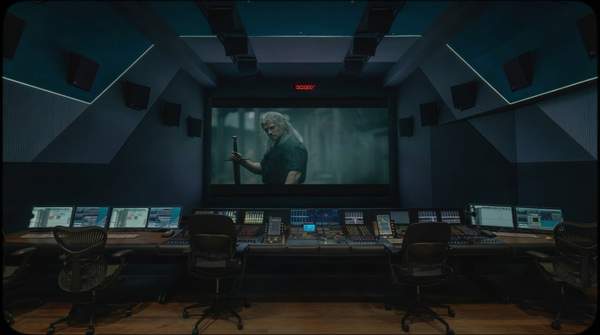
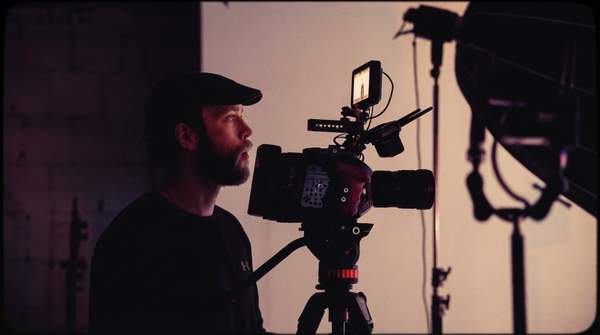
Amazon MGM Studios, which purchased Bray Studios in Berkshire in 2024, is investing in a multi-storey car park and six new sound stages. Planning permission was expected in summer 2026 for this significant expansion, driven by regional film incentives, which will boost local infrastructure and development by 2026, according to BBC.
State film incentives demonstrably attract substantial studio investment and physical production infrastructure. However, the comprehensive, long-term economic benefits for host regions are often less clear and subject to rigorous academic debate.
States will likely continue to escalate their competitive offerings of increasingly generous and complex film incentive packages, even as the true, quantifiable return on public investment remains a contentious and challenging metric to prove.
Driving Growth: Studio Expansion and Infrastructure
The studio's physical presence at Bray translates into immediate construction projects and a demand for local services. This investment in new sound stages and facilities provides tangible evidence of economic activity stimulated by incentive programs. However, the broader, sustained economic impact beyond the construction phase requires further scrutiny.
What Are State Film Incentives, and How Do They Work?
State film incentives vary significantly. Georgia's Film Tax Credit, for instance, is a 20% transferable tax credit, with an additional 10% uplift for providing promotional value to the state, as stated by Georgia. New Mexico offers a refundable tax credit of 25% to 40% on qualified in-state spending, reports EMSPayroll. These varied structures demonstrate how states tailor incentives, from transferable tax credits to refundable rebates, to reduce production costs and attract specific types of production, aiming to stimulate local economies through direct spending and job creation.