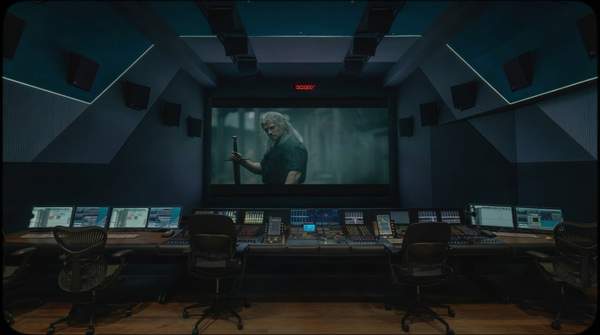
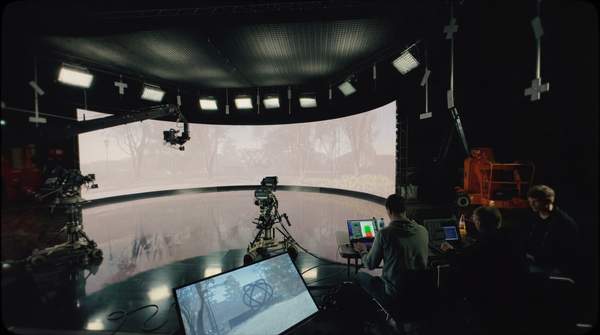
Netflix is offering a product manager for AI Video a salary of up to $545,000 per year, confirming a serious commitment to integrating artificial intelligence into its film production pipeline from pitch to post, according to Y.M.Cinema Magazine. Netflix's high-level hire confirms its strategic intent to integrate AI deeply into its entire content creation lifecycle, potentially impacting indie filmmaker deals and overall AI film production workflows in 2026.
Netflix aggressively pursues AI to revolutionize film production, yet concurrently secures millions in traditional film tax credits for its projects. Netflix's dual strategy reflects a calculated approach to innovation and financial management.
Major studios will likely adopt a hybrid production model. A hybrid production model uses AI to streamline and enhance creative processes while continuing to benefit from established financial incentives, potentially widening the gap with smaller, less-resourced creators.
How Netflix Shapes AI for Filmmaking
The AI Product Manager role defines AI and machine learning-powered video capabilities across Netflix's studio and production domain, from pitch to post, according to Y.M.Cinema Magazine. Netflix seeks AI tools that serve creative professionals, not merely generate random imagery, emphasizing quality, control, adherence, and controllability in its AI video tools for professional filmmaking.
Netflix's approach deliberately empowers human creatives with AI, aiming to augment, rather than automate, the artistic process. It ensures artistic integrity and brand consistency. Companies viewing AI as merely a cost-cutting measure for content generation, rather than a sophisticated tool to enhance professional creative workflows, risk falling behind in high-quality, AI-augmented filmmaking.
Why Do Studios Still Seek Film Tax Credits?
Netflix received a $20 million subsidy from the California film and TV tax credit program for an untitled film, according to Variety. Despite its AI investments, Netflix relies on governmental incentives to fund its content slate, confirming the ongoing financial realities of large-scale production.