Virtual production is fundamentally redefining traditional filmmaking workflows by integrating digital technology directly into live-action principal photography. This innovative methodology combines LED display systems, real-time rendering engines like Unreal Engine, and motion capture to create immersive, interactive environments on set. Filmmakers can now achieve in-camera visual effects (ICVFX) and make real-time creative decisions, shifting significant creative and technical work to earlier stages of production and streamlining post-production processes. This approach transforms filmmaking from a linear sequence into a more fluid, interactive experience, offering enhanced creative possibilities and more efficient workflows across all stages, as noted by Disguise's insights.
The Core Technologies: LED Volumes, Real-Time Rendering, and Motion Capture
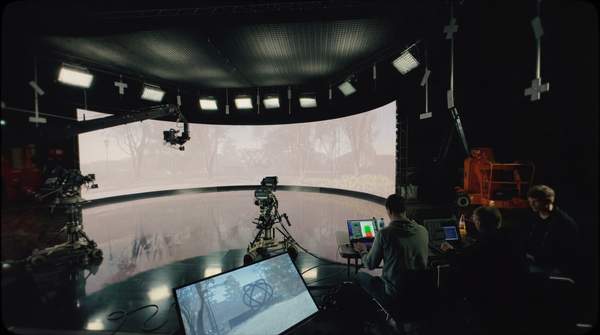
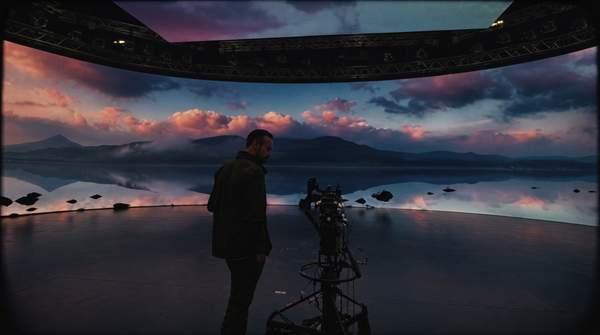
Virtual production relies on the seamless integration of several key technologies. Central to this is the LED volume, a large stage constructed from LED panels that display high-resolution virtual environments. Unlike traditional green screens, these virtual backdrops are visible and reactive on set, providing natural lighting, reflections, and context for actors and cameras during filming, according to TheGreenShot's explanation. This allows for immediate visual feedback and a more immersive experience for the cast and crew.
Real-time rendering engines, with Epic Games' Unreal Engine emerging as an industry standard, are crucial for generating and updating these virtual worlds instantly. Unreal Engine's nDisplay plugin, for instance, is specifically designed for multi-screen LED volume configurations, supporting camera tracking integration and stage-specific calibration Unreal Engine's nDisplay plugin. These engines process complex 3D graphics at speeds that allow for immediate interaction and modification, making the virtual environment dynamic and responsive to on-set changes.
Motion capture systems further enhance virtual production by tracking the movements of actors, props, or cameras. This data is then fed into the real-time rendering engine, allowing virtual characters or elements to interact seamlessly with the live-action performance and the digital environment. Together, these components create a unified on-set workflow, enabling the blending of physical and digital elements in real time, as described by Mimic Productions.