Even before a single frame is edited, the initial steps of film post-production can consume months and, if mismanaged, lead to prohibitively expensive changes. These foundational organizational tasks, often underestimated, dictate the financial and creative flexibility of a project. Failing early in the process locks in creative limitations and inflates budgets significantly.
Post-production offers immense creative potential to shape a film, but the financial and logistical realities mean that flexibility rapidly diminishes as the process progresses. Artistic changes become increasingly costly as a project moves from raw footage assembly to final delivery. Tension mandates upfront diligence.
Productions that invest in robust organizational systems and clear communication from the outset of post-production are more likely to deliver high-quality results within budget, while those that don't risk significant financial penalties and creative compromises. The careful management of early stages directly predicts a film's ultimate success and cost-efficiency.
Beyond the Camera: What is Post-Production?
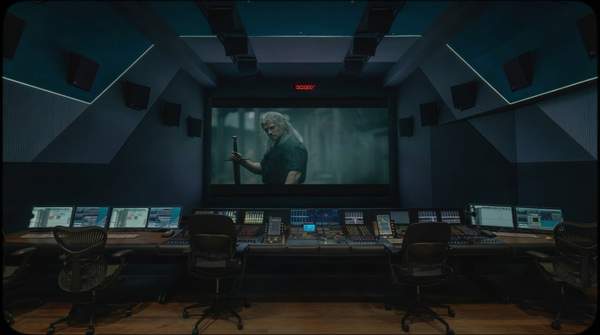
Film post-production, the phase following principal photography, transforms raw footage into a polished final product. This extensive process encompasses everything from editing and sound design to visual effects and color grading, serving as the final, transformative stage where the narrative takes its ultimate shape and aesthetic.
This critical phase involves a structured workflow, often comprising 8 crucial steps, according to Evercast. Far from a mere technical cleanup, this multi-phase journey fundamentally shapes the final cinematic product, defining its pacing, mood, and overall impact. Each stage builds upon the last, demanding precision and foresight.
The Foundation: Receiving and Organizing Raw Footage
The initial receipt of raw footage marks the true beginning of post-production. This material can arrive as 'dailies' throughout the shoot or as a complete collection at the end, according to Evercast. Managing this influx of data forms the critical first step in the workflow.
Following receipt, the meticulous storage and organization of all raw footage becomes paramount. This task, crucial to prevent wasted hours later, is emphasized by Evercast. Assembling footage for picture editing alone can consume a month and a half to several months, according to Studiobinder. The extensive timeline underscores that the seemingly simple act of organizing raw footage is the primary determinant of a film's financial viability. Productions that underestimate this months-long organizational burden effectively pre-pay for creative inflexibility and budget overruns. Failing here guarantees prohibitively expensive changes once the cut is locked, according to Weka. This foundational logistical setup, not just creative execution, presents the most significant time and cost risks in post-production.