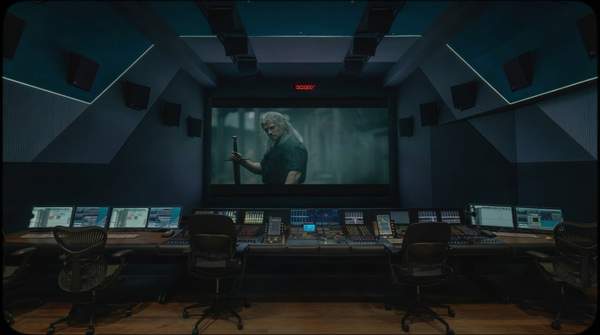
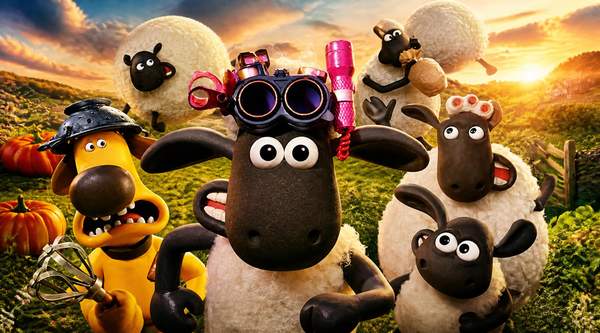
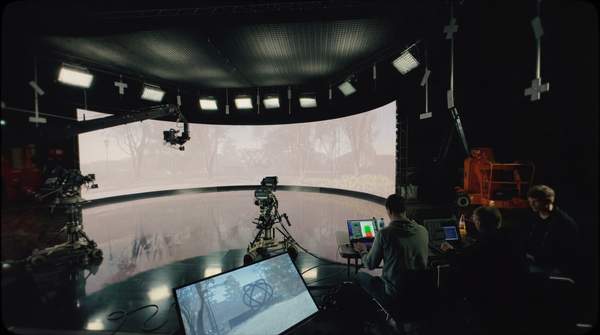
Netflix launched an open-source AI tool, VOID (Video Object and Interaction Deletion), on April 3rd, Forbes reported. VOID erases video objects and realistically generates the aftermath. Film post-production costs could plummet by 2026, making high-quality visual effects widely accessible.
Major studios and independent creators are rapidly adopting AI to streamline production and cut costs. However, the long-term impact on creative control and traditional employment remains uncertain.
The film industry faces a significant transformation. AI-driven speed and cost efficiency will redefine production pipelines, potentially at the expense of traditional craft and established job roles.
New Studios and Veteran Directors Embrace AI
- AI studio Moonmax has unveiled a slate of features, including a project based on J. M. Barrie’s Captain James Hook, according to Variety.
- Moonmax is also developing 'People of the Wolf,' a hybrid live-action/AI adaptation of a bestselling book series, using AI-driven animation techniques, Variety reported.
Moonmax projects, from classic adaptations to hybrid productions, demonstrate AI's versatility in creative development. The rapid integration by both new studios and established directors signals a fundamental shift in production paradigms, moving beyond mere experimentation.
The Economic and Creative Imperative for AI
Moonmax is developing 'Snowbear,' an original children's feature, blending hand-drawn illustrations with AI-powered image-to-video technology, Variety reported. Simultaneously, Director Steven Soderbergh plans extensive AI use in an upcoming movie about the 1898 Spanish-American War, as reported by MovieWeb.
AI's dual appeal is highlighted by these projects: it drastically cuts production costs across diverse content types while unlocking novel creative avenues. The potent combination of cost reduction and creative avenues attracts both seasoned directors and new content creators, accelerating AI's mainstream adoption.