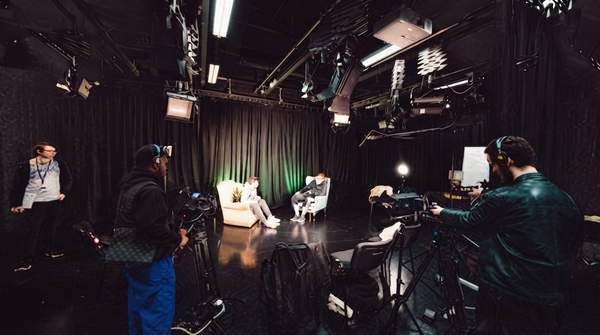
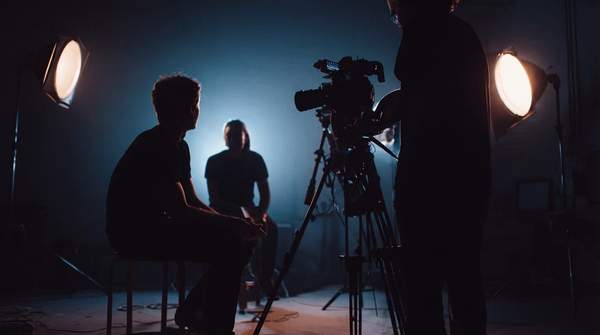
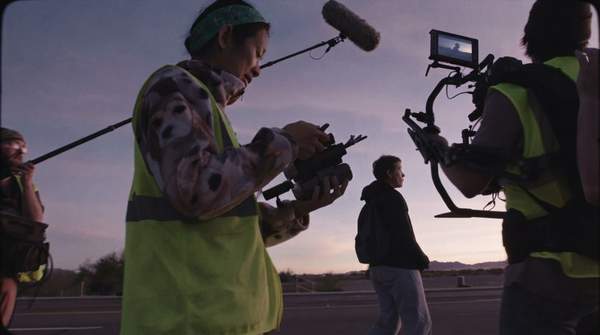
An unedited virtual reality movie can elicit the highest visual attention, measured at a total display fixation duration (TDF) of 18,953.83, and strong emotional immersion, with 75% of viewers rating it as "highly immersive," according to PMC. This continuous, uninterrupted flow allows audiences to deeply engage with the narrative, fostering a profound sense of presence within the virtual environment.
While these unedited experiences offer peak immersion, traditional editing remains crucial for narrative clarity and managing cognitive load. However, in immersive contexts, these same techniques can fragment attention and reduce enjoyment, creating a tension between established storytelling methods and emerging technologies.
As immersive technologies like VR become more prevalent, the art of editing will need to evolve to balance narrative efficiency with the viewer's desire for continuous, emotionally coherent experiences, potentially leading to new editing paradigms in visual storytelling.
The profound impact of continuous visual presentation on audience engagement is evident in virtual reality experiences. An unedited VR movie generated the highest visual attention, with a total display fixation duration (TDF) of 18,953.83, and resonated deeply emotionally, as 75% of viewers reported it as “highly immersive,” according to PMC. An uninterrupted visual flow exhibits raw power in captivating an audience, supporting a fundamental human preference for continuous, immersive experiences over fragmented ones.
Such findings challenge conventional notions of narrative construction, particularly in the realm of cinema. The uninterrupted gaze in VR allows for a heightened sense of reality, where every detail contributes to a cohesive, unfolding scene. This continuous experience fosters a deeper connection to the virtual world.
The Unseen Architects of Story: Cinematography, Mise-en-scène, and Editing
Visual storytelling in cinema relies on a multifaceted craft that strategically manipulates various elements to construct narrative and evoke emotion. Film editing, a core component, is the art and craft of rearranging moving images to convey an idea or to tell a story, according to BrentEditsVideo. This process shapes pacing, rhythm, and the overall flow of a film.
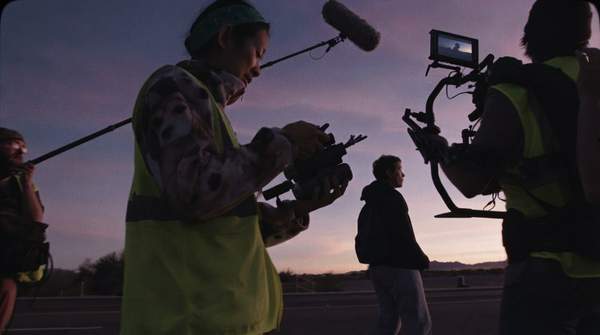
Beyond editing, the analysis of cinematic techniques in narrative visualization also involves dimensions of mise-en-scène, cinematography, and sound, as explored by IDL. Mise-en-scène refers to everything visible within the frame, from set design to actor placement. Cinematography encompasses camera angles, movement, and lighting. Together, these elements form a cohesive visual language that guides the audience's understanding and emotional response.
The Subtle Science of the Cut: Guiding the Viewer's Eye
Traditional film editing often operates beneath conscious awareness, subtly shaping the viewer's experience of time and space without drawing attention to itself. Cuts following continuity editing rules can go unnoticed between a quarter and a third of the time, a phenomenon known as 'edit blindness,' as reported by Nature. This psychological effect allows filmmakers to maintain narrative flow and manipulate perception without disrupting immersion.
Effective editing, therefore, often aims for transparency, making transitions seem natural rather than jarring. The ability to guide the viewer's eye seamlessly through a sequence of shots underscores the craft's psychological power. It allows for the construction of complex narratives while minimizing cognitive disruption, a cornerstone of traditional cinematic grammar.
VR's Challenge: Redefining the Rules of the Cut for 2026
The immersive nature of virtual reality challenges the fundamental principles of traditional editing, demanding a re-evaluation of how cuts impact viewer experience. Seamless editing in VR enhanced emotional coherence, while abrupt cuts disrupted spatial and temporal integration, leading to reduced emotional engagement, according to PMC. This implies that while some forms of editing can be beneficial, the type of transition matters significantly.
However, even efforts to soften transitions can prove detrimental. Edited VR movies, including both hard cuts and dissolve-transitions, reduced cognitive load but resulted in fragmented attention, according to PMC. Notably, dissolve-transitions in VR films specifically decreased viewer enjoyment, with an average proportional decrease (APD) of 0.397, according to PMC. Even subtle, traditionally smooth transitions actively undermine the unique immersion VR offers, making 'edit blindness' not just impossible but counterproductive in these environments.
The Stakes: How Editing Choices Shape Narrative and Emotion
The tangible impact of specific editing choices on viewer experience and narrative effectiveness is profound, underscoring the craft's critical role in visual storytelling principles. Poorly executed or inappropriate editing, particularly in immersive environments, leads to fragmented attention, reduced enjoyment, and diminished emotional engagement for viewers. This directly conflicts with the goal of creating coherent and emotionally resonant experiences.
Companies investing in VR storytelling must abandon traditional cinematic editing paradigms; the evidence from PMC clearly shows that even 'soft' transitions like dissolves actively decrease viewer enjoyment, indicating a fundamental incompatibility with immersive mediums. The 'edit blindness' phenomenon, a cornerstone of traditional film, according to Nature, is not just absent in VR but actively detrimental, as PMC's findings on fragmented attention from edited VR movies reveal, forcing creators to rethink narrative flow entirely.
The Future of the Frame: AI's Emerging Role in Visual Storytelling
How do cinematography and editing work together for visual storytelling?
Cinematography establishes the visual framework, capturing the raw footage with specific angles, lighting, and movement, while editing then sculpts this raw material. Editors arrange and refine these shots, determining pacing and rhythm to enhance emotional impact and narrative clarity, transforming isolated images into a coherent story.
What are the key elements of mise-en-scène in film?
Mise-en-scène encompasses all visual elements within a film frame, including set design, props, costumes, hair, makeup, and actor blocking. These components collectively contribute to the scene's mood, character development, and thematic resonance, often conveying subtext without dialogue.
Examples of visual storytelling in famous movies?
Many films use visual storytelling to convey narrative without relying on dialogue. For instance, the opening sequence of Pixar’s Up tells a decades-long love story through montage and visual cues alone. Alfonso Cuarón’s Gravity utilizes extended takes and camera movement to convey isolation and scale. These examples highlight how filmmakers can communicate complex emotions and plot points through purely visual means.
Beyond the Cut: The Enduring Power of Intentional Vision
Ultimately, the mastery of visual storytelling, particularly through nuanced and intentional editing, remains crucial for creating compelling cinematic experiences. Even as technology continues to evolve and challenge established norms, the goal of engaging the audience emotionally and narratively persists. The insights from immersive VR experiences point to a necessary shift in how storytellers approach transitions and continuity.
While AI promises to automate editing, according to MovieMaker, its true value in VR may lie not in replicating traditional cuts, but in developing entirely new, seamless narrative guidance systems that preserve the high immersion found in unedited VR experiences, according to PMC. This future could see creators like Unity Technologies or Epic Games pioneering adaptive storytelling tools by 2026, focusing on continuous flow rather than disruptive cuts.