Film & TV

What Are Visual Storytelling Principles in Cinema?

A recent study analyzed 2464 films from 1905 to 2019, revealing that even 'empty shots' follow quantifiable patterns and carry significant narrative weight.

JM
Julian Mercer

April 10, 2026 · 4 min read

A director's chair in a dimly lit room, with abstract light patterns from a film reel illuminating the scene, symbolizing the scientific analysis of visual storytelling.

A study analyzed 2464 films from 1905 to 2019, revealing that even 'empty shots' follow quantifiable patterns and carry significant narrative weight. This extensive research, published in Nature, challenges traditional views of cinematic artistry by demonstrating a measurable, deliberate impact from seemingly vacant frames. Visual storytelling principles in cinematography are more meticulously engineered than previously acknowledged.

Cinematic visual storytelling is often perceived as a purely artistic endeavor, driven by intuition and creative vision. However, its most subtle elements are increasingly subject to rigorous scientific and quantitative analysis. This tension between subjective artistic interpretation and objective, data-driven understanding marks a fascinating frontier for cinematic exploration.

Audiences will increasingly engage with films on a more analytical level, appreciating the deliberate craft behind every frame, while filmmakers may gain new data-driven insights into visual impact. This shift promises a deeper appreciation for cinema's intricate visual language.

The Unseen Language of Film: How Visuals Guide Narrative

Film expresses its profound narratives and themes through a visual language of cinematography, employing signs and symbols. This intricate system, often guided by underlying scientific principles according to Frontiers in Psychology, shapes how audiences understand and feel a story. Far from accidental, this visual language is a carefully constructed system designed to elicit specific emotional and intellectual responses.

Every frame, every camera movement, and every lighting choice contributes to this visual lexicon. The composition of a shot, for instance, can subtly direct a viewer's gaze, emphasizing certain elements over others. Such deliberate control over perception reveals the engineered precision inherent in cinematic visual storytelling.

The Architect of the Frame: What is Cinematography?

Cinematographers and directors begin planning the visual components of a project during the pre-production stage, a critical phase that defines the film's aesthetic. This early collaboration ensures a unified vision for the visual narrative, according to the New York Film Academy. Their work lays the groundwork for the story's visual unfolding.
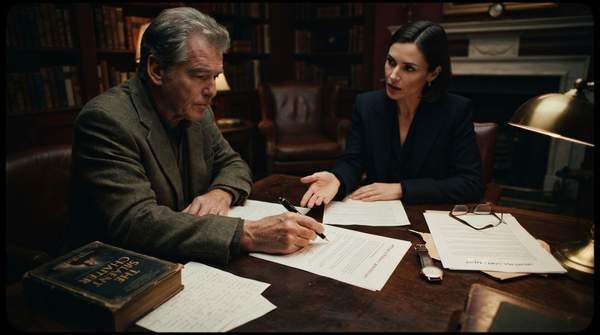
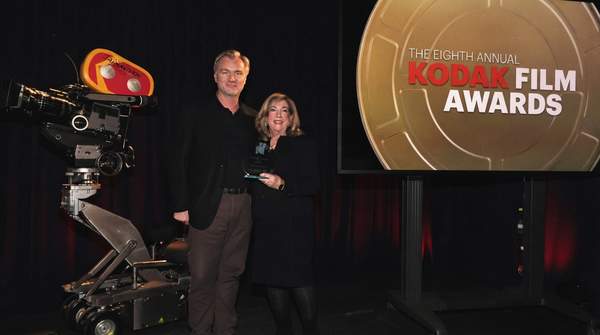
During production, the cinematographer collaborates with the director on the design of all shots, camera setup, lighting, and camera movement, also per the New York Film Academy. This multi-stage process ensures every visual element intentionally serves the film's narrative and emotional goals. The precise execution of these plans transforms abstract ideas into concrete visual experiences, revealing cinema's meticulous craft.

Invisible Controls: How Technical Choices Shape Emotion

A smaller shutter angle results in a darker exposure and constricts motion blur, while a larger shutter angle creates a lighter exposure and increases motion blur, according to In Depth Cine. These technical adjustments are not arbitrary; they precisely control the visual mood and perceived motion within a scene.

Aperture, measured as a T-stop on cinema lenses and an f-stop on still photography lenses, controls the amount of light entering the lens, also explained by In Depth Cine. These seemingly minor technical adjustments are powerful tools cinematographers wield, precisely controlling a scene's visual mood, clarity, and perceived motion, guiding audience interpretation with engineering-like precision.

The Science of Silence: Quantifying 'Empty Shots'

A study conducted a quantitative analysis of empty shot distribution across film genres from 1905 to 2019, examining 2464 films, as detailed in Nature. This research advances a more precise definition of empty shots using quantitative statistical methods and viewer-derived indicators. This rigorous scientific approach reveals that even seemingly passive visual elements are not arbitrary, but follow discernible patterns with measurable effects on narrative and viewer perception.

'Empty shots' play a significant role in film analysis by visually depicting spatial relationships, establishing temporal and spatial context, and conveying subtle emotions, according to the Nature study. Filmmakers who continue to view visual storytelling as purely intuitive artistry overlook a powerful, scientifically measurable toolkit for manipulating audience perception and narrative depth. The research from Nature suggests cinema's visual language is less a spontaneous art form and more a meticulously engineered system of signs and symbols, where every frame, even an 'empty' one, contributes to a precise, quantifiable emotional and narrative outcome.

Beyond the Frame: Why Every Visual Choice Matters

Recognizing the deliberate nature of cinematography, from technical settings to the strategic use of 'empty' space, elevates audience engagement. This understanding transforms passive viewing into an active interpretation of cinematic language, where every visual choice, no matter how subtle, contributes to the overall narrative tapestry. The quantifiable patterns found in elements like 'empty shots' confirm the intentionality behind filmmaking, revealing how filmmakers construct meaning, evoke emotions, and guide the viewer's journey through a meticulously crafted visual experience that moves beyond superficial interpretations to a more analytical engagement.

Your Visual Storytelling Questions, Answered

What are the key elements of visual storytelling in film?

Key elements of visual storytelling in film include cinematography, mise-en-scène, and editing. Cinematography encompasses camera angles, movement, and lighting. Mise-en-scène refers to everything within the frame, such as set design, costumes, and actor blocking, which collectively establish atmosphere and character. Editing, meanwhile, controls pacing and narrative flow.

How does mise-en-scène contribute to visual storytelling?

Mise-en-scène, defined as everything placed in the scene, contributes by creating a film's visual world and conveying information without dialogue. It involves set design, props, costumes, hair, makeup, lighting, and actor positioning, according to Backstage. These components collectively build character, mood, and thematic resonance, often subtly guiding audience perception.

What is the role of editing in visual storytelling?

Editing plays a crucial role in shaping a film's narrative, pace, and emotional impact by assembling individual shots into a cohesive sequence. Techniques like montage, where disparate shots are juxtaposed, can create new meaning or compress time, according to Britannica. The rhythm and continuity established through editing directly influence how an audience experiences and understands the story.

The Unseen Language of Cinema

If current trends in scientific film analysis continue, audiences and critics alike will likely engage with cinema as a meticulously engineered system, appreciating the quantifiable craft behind every frame, even the 'empty' ones, for years to come.