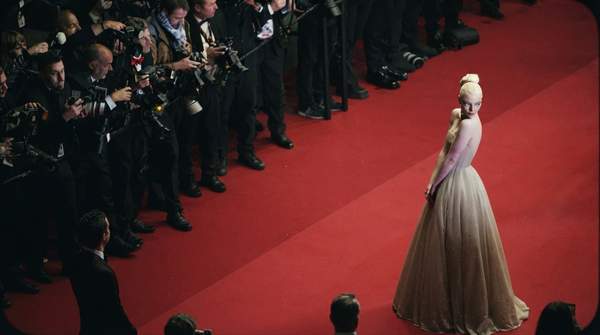
The projector’s beam cuts through the expectant darkness of the Grand Théâtre Lumière, a familiar ritual that signals the start of another cinematic pilgrimage. With the recent unveiling of the Cannes 2026 Official Selection, the global film community turns its gaze once more to the French Riviera. If you're looking for the most anticipated indie films premiering at Cannes 2026, this guide breaks down the top picks by directorial vision, performance potential, and thematic ambition. While The Hollywood Reporter notes a reduced presence from major Hollywood studios this year, the festival is poised to deliver a robust slate driven by independent storytellers and international auteurs. This is a landscape where singular visions can flourish, where the art of cinema is celebrated in its most undiluted form.
Early festival buzz from industry publications like Variety, The Hollywood Reporter, and Gold Derby, along with the established pedigree of creative teams and potential for significant critical and audience impact, curated this list.
1. Bitter Christmas — Most Anticipated Auteur Vision
Pedro Almodóvar is widely expected to return to the Cannes competition for the seventh time with Bitter Christmas, according to Gold Derby. This premiere is anticipated as a cinematic event, offering another immersion into the Spanish maestro’s world. His visual language—a vibrant tapestry of melodrama, passion, and meticulously composed frames drenched in primary colors—renders human emotion with operatic intensity and profound empathy. This deft touch, balancing high drama with genuine humanism, promises to be on full display once again.
For devoted cinephiles, Almodóvar's decades-long career, marked by sheer consistency and cultural resonance, positions his premieres as a near-guarantee of aesthetic pleasure and emotional depth. This film ranks over other anticipated titles due to that established quality and artistic integrity. While other films may offer novelty, the potential drawback of Bitter Christmas lies in its very familiarity; critics may question whether it breaks new ground for the director or comfortably resides within his established thematic territory. Yet, for his admirers, a return to the familiar comforts of his cinematic universe is precisely the draw.
- Who this is best for: Auteur purists and lovers of sophisticated, emotionally rich melodrama.
- Why it ranks over alternatives: The unparalleled track record and distinct cinematic signature of director Pedro Almodóvar create a level of anticipation few others can match.
- One drawback or limitation: The film may hew closely to the director's established themes and style, potentially offering fewer surprises for those seeking radical new territory.
- Key Data: Director: Pedro Almodóvar | Status: Strongly tipped for competition by multiple outlets, including Variety.
2. Fjord — Best Bet for an Acting Showcase
The air in a Cristian Mungiu film is often thick with unspoken tension, his camera a patient, unobtrusive observer of characters caught in the gears of moral and societal machinery. The Romanian director, a previous Palme d'Or winner for 4 Months, 3 Weeks and 2 Days, excels at creating naturalistic, high-stakes drama that feels unnervingly real. According to Gold Derby, Mungiu is expected to be in the competition mix with Fjord, his first English-language feature. The project immediately commands attention not only for its director but for its potent lead pairing: Sebastian Stan and Renate Reinsve. Both actors are known for their ability to convey complex inner lives, making their collaboration under Mungiu’s precise direction a tantalizing prospect for a masterclass in performance.
For those who watch films for the craft of acting, Fjord stands apart from other ensemble pieces due to the specific alchemy of its director and stars. Mungiu’s long takes and psychologically rigorous scripts provide the ideal canvas for actors like Stan and Reinsve to deliver nuanced, lived-in performances. The film’s primary limitation, common to Mungiu’s work, may be its demanding nature; his films often eschew conventional pacing and narrative shortcuts, requiring significant audience investment. This might prove challenging for viewers accustomed to more plot-driven storytelling. The film’s success will likely hinge on the raw power of its central performances to anchor the deliberate, observational style.
- Who this is best for: Admirers of powerhouse acting and psychologically intense, naturalistic drama.
- Why it ranks over alternatives: The combination of a Palme d'Or-winning director known for his actor-centric approach with two of the most compelling performers of their generation.
- One drawback or limitation: The director's methodical and often bleak style may be too austere for audiences seeking lighter or more fast-paced fare.
- Key Data: Director: Cristian Mungiu | Cast: Sebastian Stan, Renate Reinsve | Status: Tipped for competition by Gold Derby and Variety.
3. 1949 — Most Anticipated Historical Drama
Paweł Pawlikowski crafts films that feel less like historical records and more like recovered memories, captured in stark, poetic monochrome. His previous works, Ida and Cold War, were studies in atmosphere and historical weight, using the frame not just to show the past but to evoke its feeling—its textures, its silences, its lingering ghosts. Variety reports that Pawlikowski’s latest, 1949, is strongly tipped for a competition slot. The casting of Sandra Hüller, an actress of immense intelligence and intensity fresh off her acclaim for Anatomy of a Fall and The Zone of Interest, suggests a formidable meeting of sensibilities. The film promises a rigorous, artfully composed look at a specific historical moment, filtered through Pawlikowski’s exacting lens.
Pawlikowski’s proven ability to transcend period-piece conventions, creating works that are both historically specific and universally resonant through intimate human stories, makes his film the most anticipated historical piece for viewers seeking cinema as high art and profound inquiry. His focus on these intimate narratives within grand historical contexts sets his work apart. A potential drawback, however, could be a perceived emotional distance. Pawlikowski’s formal precision and controlled aesthetic can sometimes be interpreted as cold, prioritizing composition and mood over raw, accessible emotion. The film will likely appeal most to those who appreciate a more contemplative and visually deliberate approach to storytelling.
- Who this is best for: Fans of formalist filmmaking, European art-house cinema, and intellectually rigorous historical narratives.
- Why it ranks over alternatives: The director's Oscar-winning pedigree in crafting visually stunning and thematically weighty historical dramas, combined with a lead actress at the peak of her powers.
- One drawback or limitation: The director’s highly stylized and formalist approach may feel emotionally reserved or overly aestheticized to some viewers.
- Key Data: Director: Paweł Pawlikowski | Cast: Sandra Hüller | Status: Strongly tipped for competition by Variety.
4. Her Private Hell — Most Stylistically Daring
To watch a Nicolas Winding Refn film is to be submerged in a sensory bath of neon light, pulsating synth scores, and long, hypnotic stretches of silence punctuated by shocking violence. His is a cinema of mood and texture, where narrative often takes a backseat to pure aesthetic experience. From Drive to The Neon Demon, his work is polarizing, provocative, and utterly unforgettable. Variety tips his latest, Her Private Hell, for a Cannes premiere, and the title alone suggests a return to the pulp-noir sensibilities he favors. Starring rising talents Charles Melton and Sophie Thatcher, the film is expected to be a hyper-stylized descent into a world of Refn’s unique making, a place where beauty and brutality are inextricably linked.
Refn's unwavering commitment to his singular, often confrontational aesthetic makes Her Private Hell the most stylistically daring entry, appealing to adventurous viewers who crave a visceral, purely cinematic experience. While other directors incorporate stylistic flourishes, Refn’s style is the substance. This commitment, however, risks alienating detractors who criticize his films as style over substance, with thin characters and opaque plots. Her Private Hell will almost certainly be one of the most divisive films on the Croisette, celebrated as visionary by some and dismissed as indulgent by others.
- Who this is best for: Viewers who prioritize bold visual style and sensory immersion over conventional narrative.
- Why it ranks over alternatives: Nicolas Winding Refn is one of contemporary cinema's most distinctive and uncompromising visual stylists, making any new project a must-see event for fans of audacious filmmaking.
- One drawback or limitation: The film's intense focus on aesthetics and mood may come at the expense of character development and narrative coherence, a common criticism of the director's work.
- Key Data: Director: Nicolas Winding Refn | Cast: Charles Melton, Sophie Thatcher | Status: Tipped for competition by Variety.
5. Teenage Sex and Death at Camp Miasma — Most Unconventional Narrative
Jane Schoenbrun’s films unfold like transmissions from a strange, lonely corner of the internet, exploring themes of identity, dysphoria, and reality through a uniquely digital-age lens. Their previous work, like We're All Going to the World's Fair and I Saw the TV Glow, has established a powerful and singular voice in American independent cinema—one that uses the language of horror and genre film to explore deeply personal and contemporary anxieties. According to Gold Derby, Schoenbrun’s next feature, Teenage Sex and Death at Camp Miasma, is expected to take advantage of the Cannes spotlight. The title alone suggests a knowing, subversive take on the slasher genre, likely filtered through their signature themes of transformation and the porous boundary between the physical and digital self.
Schoenbrun’s narrative approach defies easy categorization, blending genre elements with deeply introspective and often surreal storytelling to capture specific, unsettling states of being. This makes their film the most unconventional for forward-looking cinephiles eager to engage with emerging voices reshaping the cinematic landscape. However, its niche appeal, rooted in internet culture and queer theory, may feel inaccessible or opaque to a broader audience. It is a film destined for passionate cult adoration rather than universal consensus.
- Who this is best for: Fans of innovative, genre-bending horror and viewers interested in the next wave of visionary American indie directors.
- Why it ranks over alternatives: Jane Schoenbrun represents a vital and contemporary voice in filmmaking, with a unique ability to translate digital-age anxieties into compelling, uncanny cinema.
- One drawback or limitation: The film's highly specific thematic focus and unconventional structure might be challenging for viewers unfamiliar with the director's previous work or style.
- Key Data: Director: Jane Schoenbrun | Status: Expected to be showcased, according to Gold Derby and Variety.
| Film Name | Director | Anticipation Factor | Best For |
|---|---|---|---|
| Bitter Christmas | Pedro Almodóvar | Auteur Vision | Lovers of sophisticated melodrama |
| Fjord | Cristian Mungiu | Acting Showcase | Admirers of powerhouse performances |
| 1949 | Paweł Pawlikowski | Historical Drama | Fans of formalist, art-house cinema |
| Her Private Hell | Nicolas Winding Refn | Stylistic Daring | Viewers seeking a visceral, sensory experience |
| Teenage Sex and Death at Camp Miasma | Jane Schoenbrun | Unconventional Narrative | Fans of innovative, genre-bending horror |
How We Chose This List
This list of the most anticipated indie films at Cannes 2026 prioritizes projects generating significant and credible buzz across established industry publications like Variety, The Hollywood Reporter, and Gold Derby. Primary criteria for inclusion were the pedigree of the creative team—specifically the director’s body of work and the caliber of the cast—and the potential for the film to make a significant critical impact. We focused exclusively on independent productions and international co-productions that, according to these sources, are strongly expected to premiere at the festival. The list was structured to represent a diverse range of cinematic styles, from the established European auteur to the emerging American independent voice. We excluded films that were only vaguely rumored or those from major Hollywood studios, which, as artistic director Thierry Frémaux noted, have a reduced presence this year.
The Bottom Line
As the 79th Cannes Film Festival approaches, the independent film slate promises a wealth of singular visions. For cinephiles following established masters, Pedro Almodóvar’s Bitter Christmas is the essential ticket. For those seeking the thrill of powerhouse performances, Cristian Mungiu’s Fjord is the one to watch, while Jane Schoenbrun’s Teenage Sex and Death at Camp Miasma points toward the bold future of the medium.