In a survey, 64% of responders identified a subject photographed with a DSLR camera and a ring light as appearing oldest, despite ring lights often being marketed for enhancing appearance. This finding challenges the common assumption that these popular lighting tools universally improve visual quality, especially for portraits in 2026. The unexpected result indicates a disconnect between how content creators expect ring lights to perform and their actual effects on perceived age.
Ring lights are often used to enhance visual appeal and smooth imperfections, but scientific studies show they can make subjects appear older and emphasize wrinkles. This tension highlights a critical oversight for many creators who rely on these accessible tools for professional-looking content.
While ring lights offer accessible lighting benefits for video and photography, users should be mindful of their specific optical properties to avoid unintended visual consequences, especially in portraiture. Understanding these nuances helps creators achieve desired visual outcomes without inadvertently undermining their aesthetic goals.
What Exactly is a Ring Light?
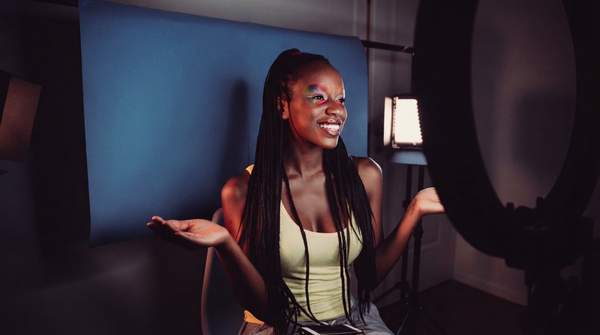
A ring light can be a simple alternative to studio lighting that does not require extra space, according to New York Institute of Photography. These circular light sources, designed to fit around a camera lens or smartphone, provide even illumination across a subject. Ring lights are popular among casual content creators and budget-conscious photographers due to their ease of use and compact design.
But this very design has a downside: Ring lights provide homogenous soft light in a circular shape, which facilitates the perception of wrinkles better than bursting flashes, as found in a PubMed study. This specific lighting pattern, while creating a flattering catchlight in the eyes, can inadvertently highlight skin texture and fine lines. The uniform light wraps around the subject, minimizing harsh shadows that might otherwise obscure imperfections.
This means that while ring lights offer a practical and space-saving solution for achieving professional-looking illumination, especially for close-up work, their inherent lighting characteristics can work against the goal of smoothing imperfections. Users seeking flawless skin effects might find their efforts undermined by the very tool they employ for enhancement.

Choosing the Right Ring Light for Your Needs
For those considering a ring light, the Westcott 18" Bi-Color LED ring light, for example, offers a maximum brightness of 2435 lumens, according to TechGearLab. This high lumen count indicates significant light output, crucial for brightly illuminating subjects in various environments. Lumens measure the total amount of visible light produced by a source.
The same Westcott model also features a temperature range of 3200K-5600K. This adjustable color temperature allows creators to match ambient lighting or achieve specific moods, from warm indoor tones to cool daylight. Another professional option, the Lume Cube Cordless 18” Ring Light, boasts a 97 CRI (Color Rendering Index), as reported by Lume Cube. A high CRI value means the light accurately renders colors, making skin tones and product colors appear true to life.
Understanding key specifications like brightness, color temperature, and Color Rendering Index (CRI) is crucial for matching a ring light to specific creative requirements and ensuring accurate color reproduction. Selecting a light with appropriate specifications directly impacts the aesthetic outcome, allowing for better control over the final image or video quality.
The Unseen Side: When Ring Lights Work Against You
The majority of responders (78%) chose the combination of DSLR camera and ring light as exhibiting wrinkles the most, according to the PubMed study. This finding directly contradicts the common perception that soft, even light from a ring light inherently smooths facial features. The study indicates that the homogeneous illumination can, in fact, make wrinkles more apparent.
Content creators and influencers relying on ring lights for perceived visual enhancement are unknowingly employing a tool that, according to PubMed research, can make them appear older and accentuate wrinkles, potentially damaging their personal brand or message. The very design of ring lights, providing homogenous soft light in a circular shape, is precisely what facilitates the perception of wrinkles, directly contradicting the common belief that soft light smooths imperfections.
While beneficial for detail, the unique lighting pattern of ring lights can inadvertently emphasize features like wrinkles, which might be undesirable for certain subjects or aesthetic goals. This effect highlights a significant gap in public understanding of how specific lighting patterns interact with facial features, challenging the widespread belief in ring lights as a universal enhancement tool.
Maximizing Your Ring Light's Potential
In portrait photography, a continuous ring light causes pupils to constrict, showing off more of the subject's eye color, according to Lume Cube. This specific optical effect can add a vibrant, engaging quality to a subject's eyes, creating a distinct visual appeal often sought in close-up shots. The characteristic circular catchlight also contributes to a professional look.
While ring lights can enhance eye color by constricting pupils, this aesthetic benefit is frequently overshadowed by their tendency to make subjects appear older and more wrinkled, forcing users to choose between vibrant eyes and perceived youth. To mitigate unintended effects, consider adjusting the light's intensity or distance, or incorporating secondary fill lights to soften shadows further.
Strategic use of a ring light can enhance specific facial features, such as eye color, contributing to a more engaging and vibrant portrait. Experimenting with placement and power levels can help creators find a balance that leverages the light's advantages without activating its less desirable characteristics, ensuring the desired aesthetic is consistently achieved.
Common Questions About Ring Lights
What is the best ring light for video recording?
The "best" ring light depends heavily on your budget and specific needs in 2026. Professional options like the Westcott 18" Bi-Color LED ring light, priced at $180, offer high lumens and adjustable color temperature for versatile use. For more casual recording or smartphone setups, highly affordable models such as the UBeesize 10" Table Top at $21 or the Xinbaohong Clip-On at $14 provide effective illumination at a fraction of the cost, according to TechGearLab.
Can a ring light improve smartphone photos?
Yes, a ring light can significantly improve smartphone photos by providing consistent, even illumination that reduces harsh shadows and brightens the subject. The widespread adoption of highly affordable ring lights for personal branding and content creation is likely leading many users to inadvertently undermine their desired youthful or flawless appearance, as evidenced by the PubMed study showing subjects appear older and more wrinkled. However, for casual creators, these lights offer an accessible way to elevate visual quality, especially for close-up selfies or product shots.
What are the benefits of using a ring light for streaming?
For streamers, ring lights offer several benefits, including even facial illumination that eliminates distracting shadows and creates a professional appearance. The distinctive circular catchlight in the eyes adds a lively, engaging quality to your on-screen presence. This consistent lighting helps maintain visual quality throughout your stream, regardless of ambient room conditions, making you appear more polished to your audience.
The Verdict: Smart Lighting for Smart Creators
The widespread adoption of highly affordable ring lights, like the UBeesize 10" Table Top at $21 or the Xinbaohong Clip-On at $14, for personal branding and content creation is likely leading many users to inadvertently undermine their desired youthful or flawless appearance, as evidenced by the PubMed study showing subjects appear older and more wrinkled. This accessibility has made ring lights a staple for many, yet without a full understanding of their optical properties.
Casual content creators, budget-conscious photographers, and those seeking simple, effective lighting solutions benefit most from ring lights when aware of their specific visual effects. Individuals unaware of how ring lights interact with facial features, particularly regarding perceived age and wrinkles, might inadvertently achieve an undesired aesthetic.
By understanding both the advantages and the specific visual effects of ring lights, creators can harness their power to produce compelling and intentional visual content. Informed choices about lighting tools will continue to shape digital content quality for millions of creators through 2026.