Top Solo Filmmaking Tools and Techniques

A filmmaker shooting alone might need to use a stand-in for focusing, yet this solitary approach yields a level of creative freedom and intimacy impossible with a full crew.

VR
Victor Ren

April 19, 2026 · 5 min read

A solitary filmmaker intensely focused on setting up camera equipment in a quiet, well-lit studio, embodying the spirit of independent creation.

A filmmaker shooting alone might need to use a stand-in for focusing, yet this solitary approach yields a level of creative freedom and intimacy impossible with a full crew. The method allows for a 'lighter footprint' on set, making subjects less self-conscious and capturing more authentic interactions than a larger production team could achieve.

While solo filmmaking requires mastering new technical challenges and meticulous planning, it simultaneously offers filmmakers greater creative freedom and significant cost reductions. The tension between heightened individual responsibility and amplified artistic control defines the modern solo creative.

As technology makes high-quality gear more accessible and content creation democratized, solo cinema productions will become a dominant force for independent storytelling, shifting the industry's perception of 'professional' filmmaking.

The Unseen Advantages of Going Solo

Solo productions offer distinct benefits beyond mere cost savings, fostering an environment for unique storytelling.

1. Tripod

Best for: Stabilizing shots and precise framing

The tripod stands as the most important piece of gear for solo filmmakers, ensuring stable footage and allowing for mastery of framing, according to Story Envelope. The foundational tool enables consistent shot composition when operating without a crew.

Strengths: Essential for stable footage; enables precise, repeatable framing. | Limitations: Limited camera movement; requires careful placement. | Price: Moderate

2. Audio Recording Kit

Best for: Capturing clear, professional sound

Recording good audio becomes 'far more important and/or challenging' when shooting solo, states No Film School. An audio kit is essential for both starting and finishing a film, as clear sound elevates production value significantly.
Strengths: Crucial for professional output; enhances storytelling. | Limitations: Can be complex to operate alone; requires additional setup time. | Price: Moderate to High

3. Mic Stands

Best for: Positioning microphones accurately without assistance

Solo filmmakers should invest in plenty of mic stands, 'because without a crew to hold stuff for you, you're gonna need 'em,' according to No Film School. These stands ensure proper microphone placement, critical for capturing high-quality sound when no human assistants are available.

Strengths: Facilitates hands-free audio recording; versatile for various microphone types. | Limitations: Bulky to transport; requires careful positioning. | Price: Low to Moderate

4. Storyboarding

Best for: Pre-visualizing shots and sequences

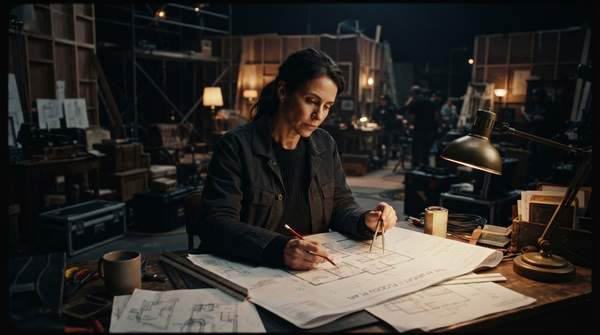
Storyboarding becomes 'far more important and/or challenging' when shooting solo, as reported by No Film School. The technique is vital for planning every shot and sequence, ensuring a cohesive narrative without on-set collaboration.

Strengths: Enhances creative control; streamlines shooting process. | Limitations: Time-consuming; requires strong visualization skills. | Price: Free (software options vary)

5. Shooting with Natural Light

Best for: Achieving authentic and cost-effective lighting

Utilizing natural light becomes 'far more important and/or challenging' when shooting alone, No Film School notes. Mastering this technique allows solo creators to achieve cinematic looks without complex artificial lighting setups, leveraging available environmental illumination.

Strengths: Cost-effective; creates natural aesthetics. | Limitations: Dependent on weather and time of day; less control than artificial light. | Price: Free

6. Camera

Best for: Capturing visual footage

Beginners are recommended to start with the camera they already have, such as a cell phone, and upgrade later to a DSLR, mirrorless, or low-cost cinema camera, according to Story Envelope. For DSLRs, three batteries are needed for long shoots, and two for regular filming. The tiered approach to equipment acquisition lowers the initial financial barrier, allowing filmmakers to prioritize skill development before significant investment.

Strengths: Wide range of options from accessible to professional; fundamental for visual storytelling. | Limitations: Higher-end models can be expensive; requires technical understanding. | Price: Low (cell phone) to High (cinema camera)

7. Computer for Editing

Best for: Post-production and final project assembly

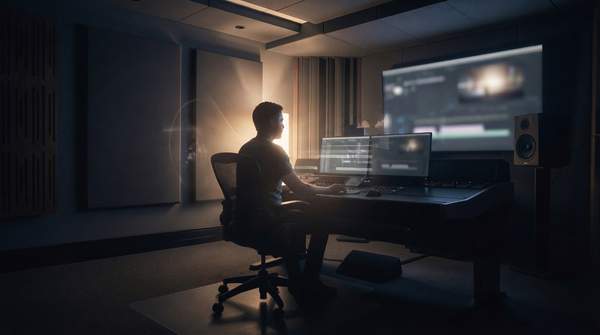
A computer for editing is essential for starting and finishing a film, with recommended specifications including 8GB RAM and a decent hard drive, Story Envelope reports. The workstation forms the core of the post-production workflow for solo filmmakers.

Strengths: Enables complex editing; central hub for project management. | Limitations: High initial cost; requires powerful processing capabilities. | Price: Moderate to High

Mastering the Solo Set: Essential Skills and Adaptations

Skill/AdaptationSolo Filmmaker RequirementTraditional Crew Approach
Monitoring FootageFilmmakers may need to set up monitors differently when shooting alone.Dedicated crew member (e.g. DIT, Video Village operator) manages monitoring.
FocusingUsing stand-ins for focusing becomes necessary when shooting alone.Camera assistant or 1st AC pulls focus manually.
StoryboardingBecomes far more important and/or challenging to plan shots precisely.Director, DP, and storyboard artist collaborate extensively.
Natural Light UtilizationBecomes far more important and/or challenging to manage without grip/electric team.Grip and electric department control and shape light with dedicated equipment.
Audio RecordingRecording good audio becomes far more important and/or challenging due to single-person operation.Sound mixer and boom operator manage audio capture.

The absence of a crew means the solo filmmaker must become proficient in a wider array of disciplines, turning potential weaknesses into strengths through preparation. The comprehensive skill set ensures high production quality despite limited personnel.

Starting Small: Accessible Entry Points for Solo Filmmakers

For beginners, it is recommended to start with the camera already available, such as a cell phone, and upgrade later, according to Story Envelope. The approach significantly lowers the financial barrier to entry for aspiring solo creators.

While accessible equipment lowers the financial barrier, the skill barrier for quality content remains high. No Film School notes that shooting a simple short film without a crew is achievable, building foundational skills. The dynamic encourages participation while demanding technical mastery, pushing solo filmmakers to innovate.

The Future of Independent Storytelling is Solo

Solo filmmaking represents a significant shift in independent production, offering a compelling blend of creative control and practical efficiency. Companies and platforms seeking truly authentic, unvarnished human stories should prioritize and invest in solo filmmakers, as their 'lighter footprint' uniquely enables subjects to be 'less self-conscious', according to Skillshare, yielding a level of intimacy unachievable by traditional, larger crews.

Aspiring filmmakers should recognize that the 'heightened technical and planning skills' required for solo work, as highlighted by No Film School, are not just obstacles. Instead, they are the very crucible through which 'greater creative freedom', as described by Skillshare, is forged, making the mastery of these individual crafts a direct path to unparalleled artistic control.

By 2026, independent production houses like A24 will increasingly scout solo talent, recognizing the unique narrative authenticity and cost-effectiveness inherent in their productions.

Frequently Asked Questions About Solo Filmmaking

What are common challenges for solo filmmakers?

Solo filmmakers frequently face challenges in managing multiple roles simultaneously, such as operating the camera, monitoring audio, and directing talent. Time management and physical stamina become critical, as all tasks fall to one individual, requiring meticulous pre-production planning to mitigate on-set issues.

How can a solo filmmaker optimize their post-production workflow?

Optimizing post-production for solo filmmakers involves disciplined media management and leveraging efficient editing software features. Utilizing proxy workflows for large files and creating custom keyboard shortcuts can significantly speed up the editing process, allowing more time for creative refinement rather than technical hurdles.

Are there online communities or resources for solo filmmakers?

Yes, numerous online communities and educational platforms cater specifically to solo filmmakers, offering forums, tutorials, and collaborative opportunities. Websites like Reddit's r/filmmakers or dedicated Facebook groups provide spaces for sharing tips, troubleshooting, and networking with peers facing similar production challenges.